The Shifting Sands of the First Coast
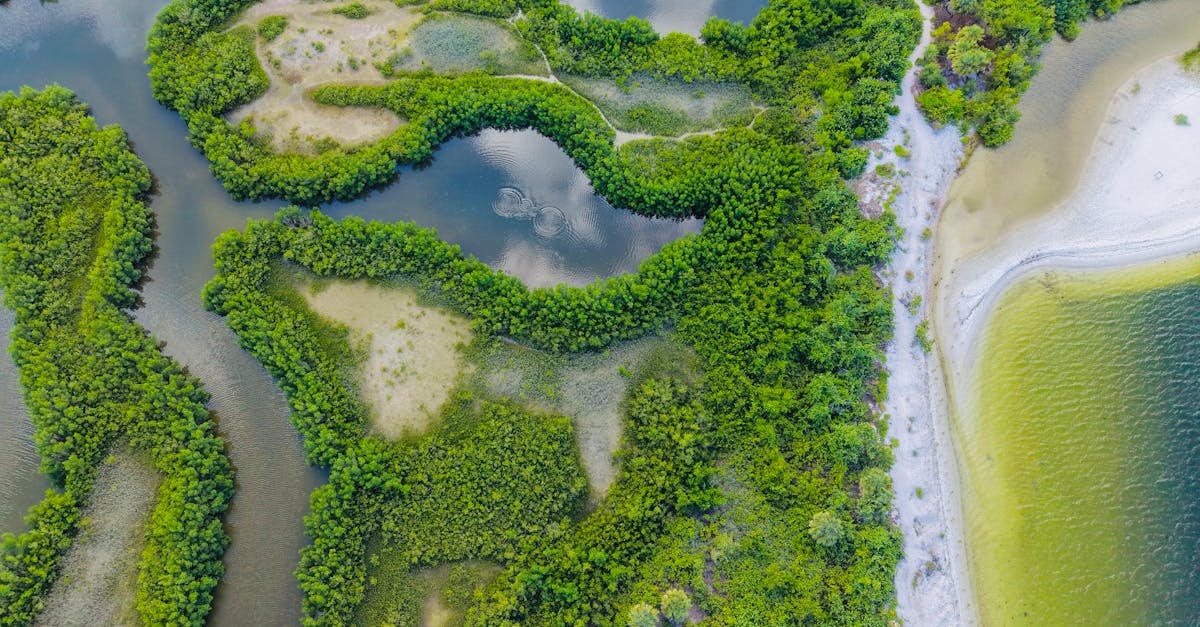
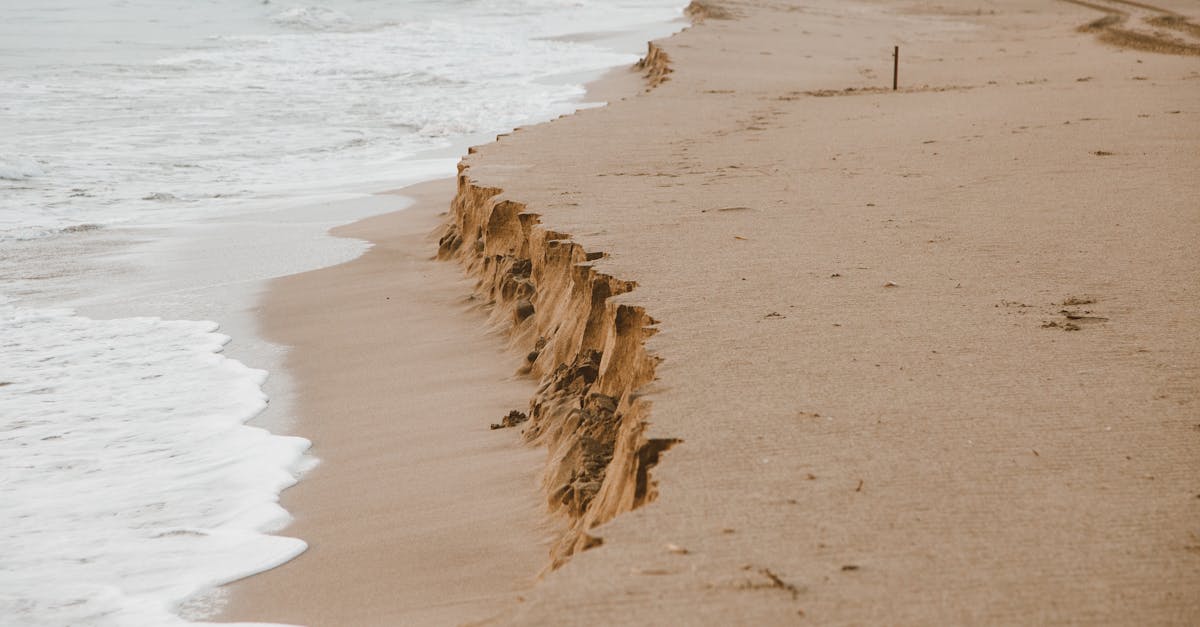
Beach erosion is like that uninvited guest who slowly munches away at the buffet table—you don’t notice it at first, but eventually, you’re left wondering where all the sand went. Along Florida’s First Coast, this phenomenon is a part of daily life. The coastline, stretching from Amelia Island down through Ponte Vedra and Jacksonville Beach, is constantly shaped by winds, waves, and tides. But this natural artistry sometimes clashes with human plans, especially when it threatens homes, businesses, and the charming beach towns that thrive here.
When Mother Nature Needs a Helping Hand
Enter beach renourishment projects—a fancy term for bringing in new sand to replace what’s been swept away. It’s a bit like giving the beach a much-needed spa treatment. Contractors pump massive amounts of sand from offshore sites or nearby rivers, depositing it along the shore to rebuild dunes and widen beaches. How beach nourishment works
While this might sound like a simple fix, it’s actually a delicate balancing act. The sand has to match what’s already on the beach in color, texture, and grain size—or else, it looks like a patchwork quilt gifted by a hasty tailor. But more importantly, the project needs to consider the local ecosystem. Too much disruption, and vital coastal habitats—like sea turtle nesting grounds and dune vegetation—can be damaged.
Nature’s Role in a Beach Makeover
What’s fascinating about the First Coast is how nature itself plays a starring role in these renovations. The beaches here aren’t just sandboxes; they’re dynamic systems where plants, wildlife, and even microbe communities contribute to long-term stability. For example, dune grasses help trap sand and reduce erosion naturally. Sea oats, with their extensive root systems, are the unsung heroes holding dunes together against storms and high tides. Coastal Restoration: Shifting Sand — for Better or Worse
Scientists and environmentalists now focus on strengthening these natural defenders alongside mechanical sand placement. Instead of fighting nature, renourishment projects increasingly aim to work with it. This means carefully timing sand placement to avoid nesting seasons, replanting native vegetation, and designing dunes that mimic natural formations.
The First Coast’s Environmental Equation
The environmental stakes are high. Coastal erosion doesn’t just mean a narrower strip of beach; it can trigger saltwater intrusion into freshwater aquifers, loss of habitat for endangered species, and a decline in the tourism economy that supports local communities. The sustainability of beach nourishments
Because of this, the First Coast has become a living laboratory for sustainable beach management practices. Partnerships between the Florida Department of Environmental Protection, local governments, scientists, and community groups have led to innovative solutions that balance human enjoyment and ecological integrity.
“Protecting our beaches isn’t about building permanent structures; it’s about understanding and respecting the rhythmic pulse of nature.”
Looking Ahead: A Sandy Future With Science and Soul
Beach makeovers on the First Coast show us that environmental challenges can inspire creative solutions that honor nature rather than override it. By blending scientific expertise with deep respect for local ecosystems, these projects transform eroding coastlines into thriving shoreline communities. Multiple beach renourishment projects are underway across Florida
So next time you stroll along a freshly renourished beach here, take a moment to appreciate the invisible teamwork between engineers, ecologists, and the resilient dunes—and remember, sometimes the best beach is the one where science shakes hands with sand.

Article orchestrated by Mobstacker’s WP Auto Muse Pro.