Category: Environment

  • Rethinking “Conservation” in North Florida: When North Florida Land Trust Conservation Easements Need a Reality Check

    Rethinking “Conservation” in North Florida: When North Florida Land Trust Conservation Easements Need a Reality Check

    Conservation Easements in North Florida: A Bit of Paper, a Lot of Risk

    Let’s start with a question no one in a ribbon-cutting photo ever asks: What exactly are we conserving when the “protected” land is still on track to flood, wash away, or get carved up by development pressure?

    North Florida has a special talent for treating hope like a plan. We slap “conservation” on a land trust strategy, celebrate conservation easements, and then—when sea level rise and storm intensity turn “future risk” into present inconvenience—everyone acts surprised.

    Because apparently, the ocean is a rumor.

    What Conservation Easements Are (and What They Aren’t)

    A conservation easement is meant to limit what can happen on land—usually by restricting development while keeping certain compatible uses. In theory, it’s one of the best tools for protecting habitat and water quality without owning every acre outright.

    But here’s the reality check: an easement is only as strong as the assumptions behind it. If the conservation goal is “keep nature intact,” then the easement has to contend with dynamic environmental change, not just a static map from the year it was recorded.

    Easements can protect:

    • Wetlands and upland buffers
    • Wildlife corridors and habitat connectivity
    • Water quality via reduced runoff and disturbance

    Easements can also fail to deliver on conservation goals when:

    • The plan doesn’t account for marsh migration and saltwater intrusion
    • Restrictions inadvertently prevent adaptive restoration
    • The property boundaries ignore how coastal and river systems evolve

    And then there’s the part people don’t like to say out loud: conservation isn’t a deed—it’s a management commitment. Without the follow-through, it becomes a legal monument to good intentions.

    “A conservation easement can freeze land-use, but it can’t freeze sea level, storms, or ecosystem change.”

    North Florida’s Big Problem: Nature Isn’t a Still Life

    North Florida isn’t coastal Florida’s shy cousin; it’s a place where rising tides, king tides, and storm surge don’t just threaten shorelines—they reshape entire ecological networks.

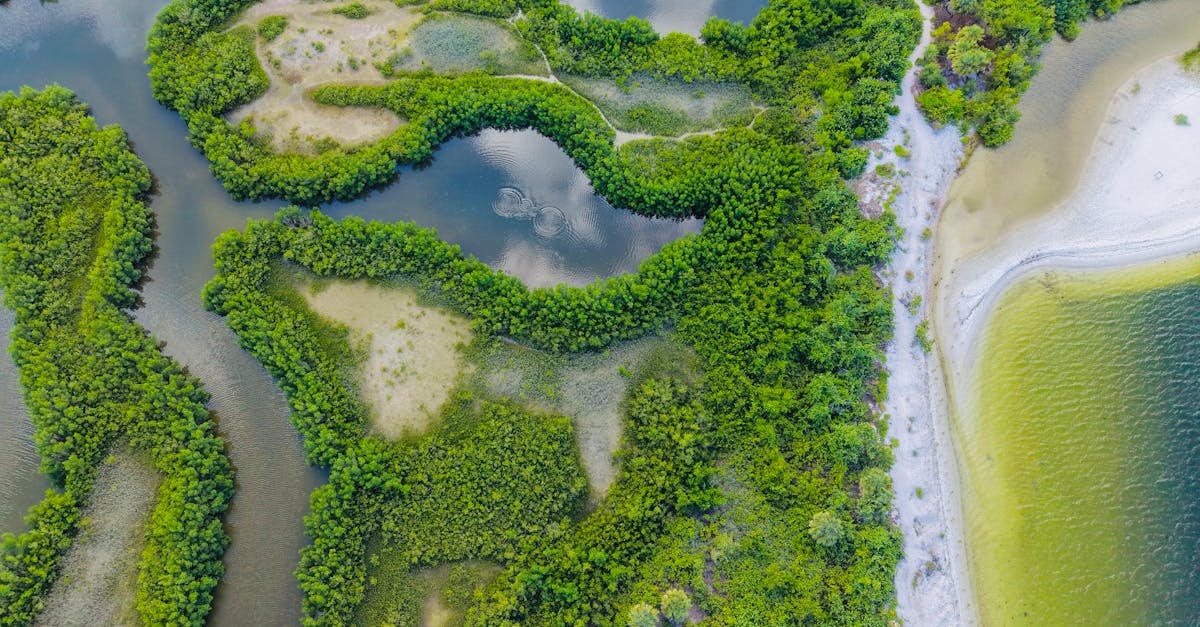
    Salt marshes don’t “stay put.” They expand landward when conditions allow. Forested wetlands don’t just retreat politely; they drown, shift, and convert depending on elevation, hydrology, and sediment availability. Meanwhile, human infrastructure and development can block that movement, turning ecosystems into islands—or into disappearances.

    So when land trusts and easement programs treat conservation like a one-time win, they miss the key conservation question for this region:

    Can the protected landscape remain ecologically functional as water levels rise?

    That means planning for:

    • Elevation gradients (where can habitats migrate?)
    • Hydrologic connectivity (how does water move during and after storms?)
    • Saltwater intrusion (what happens to groundwater-dependent systems?)
    • Resilience targets (what does “protected” mean after 2040?)

    If the answer is unclear, then “conserved” may really mean “delayed.”

    The Sea Level Rise Reality Check Nobody Wants in the Newsletter

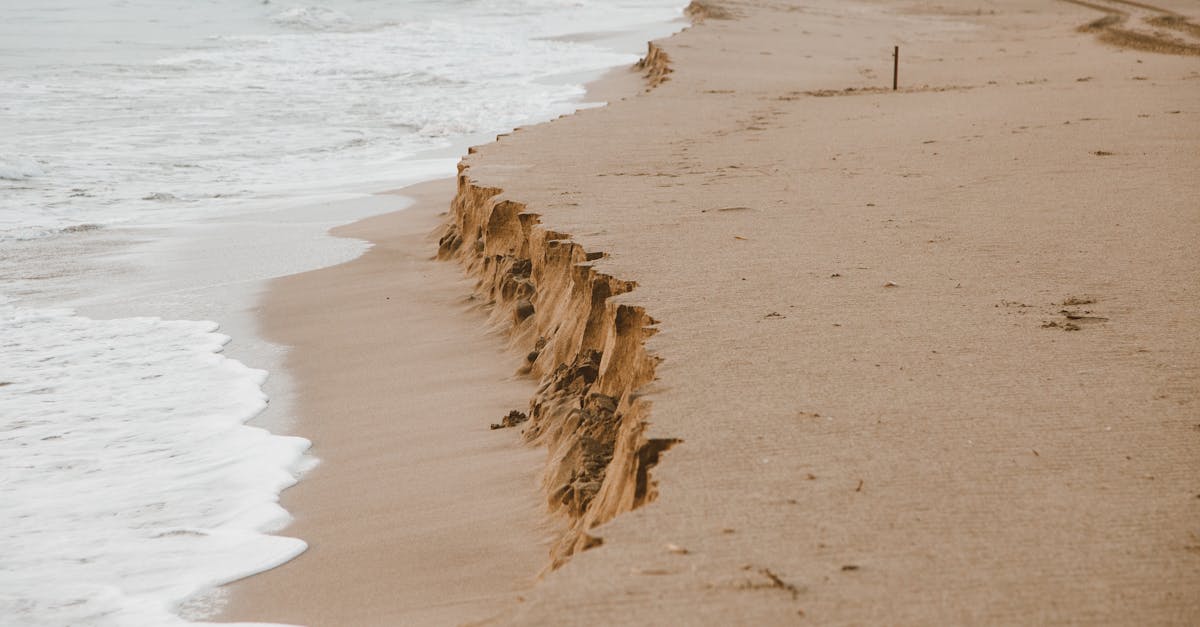
    Sea level rise isn’t a distant academic debate for North Florida—it’s an ongoing stress test. The conservation conversation needs to stop pretending the coast is a line and start treating it like a process.

    Here’s the uncomfortable truth: conservation easements can inadvertently lock in the wrong outcomes if they don’t explicitly address adaptation.

    For example:

    • An easement might restrict land management practices needed to restore wetland resilience.
    • It might prevent strategic earthwork or habitat reconfiguration that would help marshes and forests survive transformation.
    • It might protect habitat parcels that are too isolated to function as connected refuge once waters rise.

    And yes, land trusts are often dealing with limited funding, legal constraints, and political pressure. But if we’re serious about conservation, we can’t keep congratulating ourselves for protecting land without a credible adaptation pathway.

    So What Would “Reality-Checked” Conservation Look Like?

    If North Florida land trust conservation efforts want to truly conserve nature—not just the current version of it—then the approach needs to shift from static protection to ecological resilience planning.

    That means conservation easements should increasingly include or align with:

    • Explicit sea level rise and storm-surge projections in the conservation design
    • Adaptive management provisions (so restoration and habitat support aren’t prohibited later)
    • Connectivity planning across parcels, not just isolated “green dots” on a map
    • Monitoring requirements with measurable ecological outcomes (not just acreage numbers)
    • A clear statement of what happens when habitats inevitably shift—where will they go?

    The goal shouldn’t be “prevent change.” The goal should be help ecosystems survive change.

    Because conservation that ignores sea level rise isn’t conservation—it’s branding.

    And North Florida deserves better than a glossy commitment to protection that the tide will laugh off.

    This Photo was taken by Chris The Island on Pexels.