Blog

  • North Florida Springs Are Changing—And It’s Making Freshwater Fishing Terrifyingly Worse

    North Florida Springs Are Changing—And It’s Making Freshwater Fishing Terrifyingly Worse

    North Florida’s springs are losing the clean, cold edge that made them legendary—and freshwater fishing is paying the price. If you’ve spent any real time on these waters, you already know the truth that the glossy brochures skip: the fish are changing, the habitat is changing, and the experience is getting worse fast.

    What used to feel like a dependable, almost sacred corner of North Florida recreation is turning into something harder to trust. Anglers show up expecting clear water, healthy weed lines, and the kind of spring-fed calm that makes camping trips and weekend fishing runs feel restorative. Instead, too many are finding murkier water, thinner grass, stressed fish, and a creeping sense that the system is slipping out from under us.

    The Springs Built North Florida’s Fishing Culture

    North Florida springs are more than scenic stopovers. They’re the backbone of a whole outdoor identity. Families camp near them. Paddlers float them. Anglers plan trips around them. For generations, these clear-water systems have offered some of the best freshwater fishing in the state, especially when summer heat turns everything else into a bathtub.

    That’s what makes the current decline so infuriating.

    A healthy spring run or spring-fed river isn’t just pretty. It creates structure, oxygen, cover, and stable temperatures that fish depend on. Bass, bream, redbreast, catfish, and even the occasional surprise species all benefit from that stable environment. When the water is cold, clear, and flowing right, the fishing can be spectacular.

    When it isn’t, everything gets harder.

    And North Florida anglers are seeing it.

    What’s Going Wrong in the Water

    The list is ugly, and it keeps growing.

    Nutrient pollution is one of the biggest problems. Too much nitrogen and other runoff from agriculture, septic systems, and development feeds algae and damages the balance springs need to stay healthy. Once algae blooms take hold, clarity drops and submerged vegetation can crash. That vegetation is not decoration. It’s cover, food, and nursery habitat.

    Then there’s reduced spring flow. Lower flow means warmer water, less oxygen movement, and weaker habitat quality. Some springs and spring runs that once felt alive now feel sluggish and tired. That matters to fish. It matters to baitfish. It matters to anyone who has tried to catch a decent stringer and come home annoyed.

    Add in pressure from growth, more boats, more bank traffic, more litter, more shoreline disturbance, and you get the slow grind of habitat damage. It’s not one giant catastrophe. It’s death by a thousand cuts.

    A spring can look beautiful and still be unhealthy. That’s the part too many visitors never see.

    Why Fishermen Should Be Worried

    The fishing decline isn’t theoretical. It shows up in obvious ways.

    • Fish are harder to locate
    • Bites are less consistent
    • Shallow cover disappears
    • Water clarity swings unpredictably
    • More invasive or nuisance species can gain an edge
    • Hotter, poorer water stresses native fish

    That last part is especially maddening. North Florida’s springs have always offered refuge during brutal heat. But when those waters warm, cloud up, or lose the clean flow that made them special, fish lose one of their most important safe zones.

    Bass fishing gets tougher because the fish can’t rely on stable edges and clean ambush points. Panfish populations can shift. Even bait behavior changes. The whole food chain gets rattled.

    And for anglers who also love recreation and camping, the disappointment cuts deeper. You don’t just lose a fishing spot. You lose the whole rhythm of the trip: the quiet morning launch, the shoreline camp coffee, the easy hope that the next cast might be the one.

    Camping, Crowds, and the Slow Erosion of the Experience

    North Florida springs used to offer a rare blend of peace and access. You could camp near the water, fish early, swim later, and feel like you’d stolen a little time from the world.

    That’s getting harder.

    More visitors are discovering these places, which isn’t automatically bad. Public lands should be enjoyed. But heavy use without enough protection turns recreation into pressure. Campsites expand. Banks get trampled. Trash accumulates. Wildlife gets pushed out. Noise rises. The sense of wildness gets chipped away.

    And once a spring area becomes a convenience destination instead of a living ecosystem, the fishing usually suffers next.

    Too many people treat spring water like it will always be there in the same condition. It won’t. These are not amusement park features. They are fragile systems. If we keep using them like disposable weekend backdrops, we should not be surprised when the fish disappear, the water dulls, and the whole place feels less alive.

    What North Florida Needs Now

    This is where the anger turns into a demand: we need better protection, better enforcement, and better habits.

    That means:

    1. Reducing nutrient runoff from farms, lawns, and failing septic systems
    2. Protecting recharge areas so spring flow doesn’t keep dropping
    3. Managing visitor pressure at high-use recreation and camping sites
    4. Restoring native vegetation where possible
    5. Controlling invasive species before they crowd out healthy habitat
    6. Treating springs like irreplaceable infrastructure, not just scenic assets

    Anglers can help too, but let’s be honest: personal responsibility alone will not save North Florida springs. Picking up trash and using proper tackle etiquette matters. So does releasing fish carefully. So does respecting closures and sensitive areas. But the bigger fixes have to come from policy, land management, and public pressure.

    Because the alternative is grim.

    The Bottom Line for Anglers

    If you love North Florida, if you camp near springs, if you fish them at dawn and know their moods by heart, then this should make you angry too. It should make you tired of the excuses. Tired of pretending the water is fine when the evidence says otherwise.

    The springs were never just a backdrop for recreation. They were the engine of it. And when the springs decline, everything built around them declines too—fishing, camping, paddling, wildlife, and the whole identity of the place.

    We are watching a world-class freshwater fishery get steadily worse in plain sight.

    And if that doesn’t terrify people into action, what will?

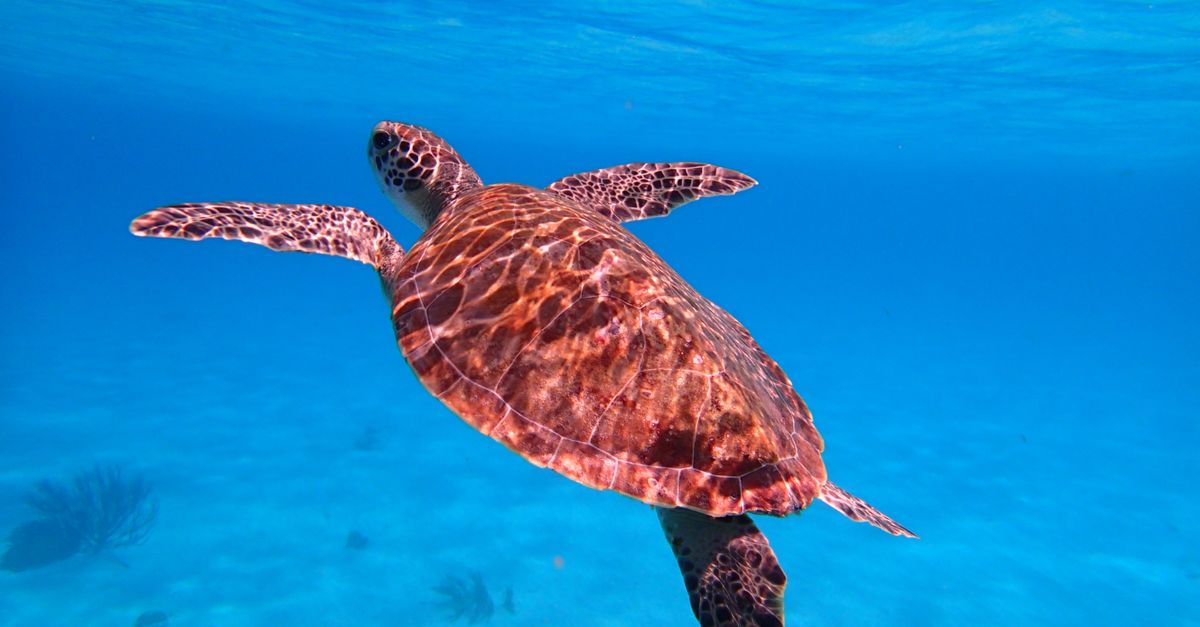
    This Photo was taken by Julito Elizalde on Pexels.

  • Jacksonville Beach vs Ponte Vedra Beach: Finding the Right North Florida Beach for Your Political Perspective

    Jacksonville Beach vs Ponte Vedra Beach: Finding the Right North Florida Beach for Your Political Perspective

    Two Beaches, Two Very Different Rhythms

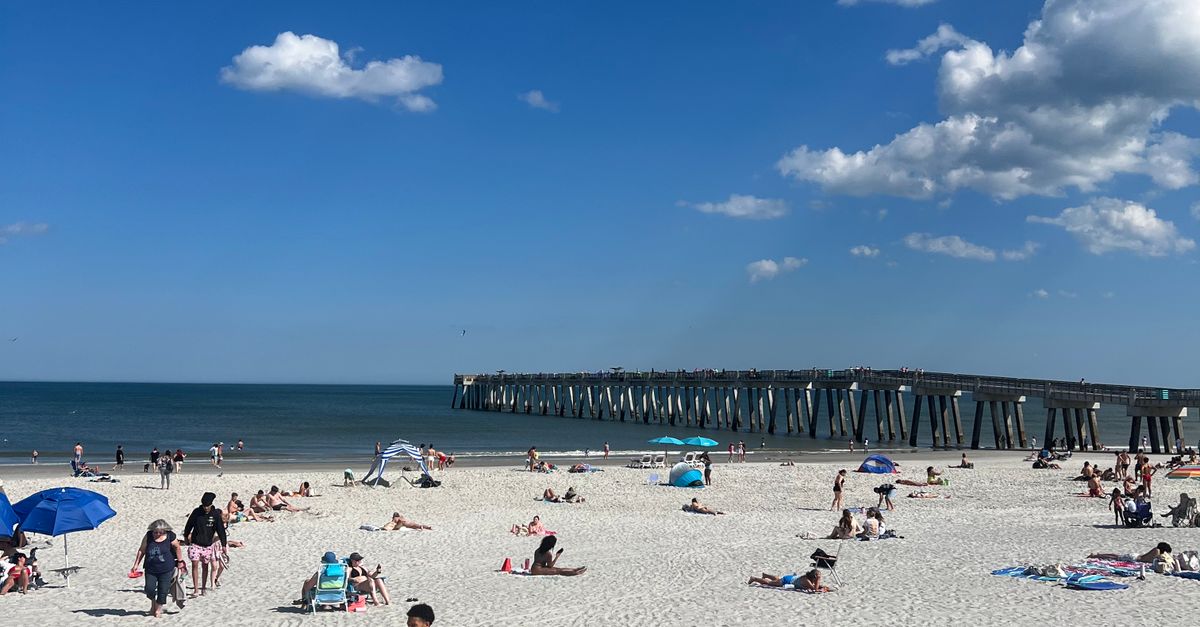
    If you’re trying to choose between Jacksonville Beach and Ponte Vedra Beach, you’re not just picking a stretch of sand. You’re choosing a pace, a crowd, a budget, and, yes, maybe even a social atmosphere that matches how you like to spend your time in North Florida.

    Both beaches sit within easy reach of Jacksonville and not far from St. Augustine Beach, but they feel different the moment you arrive. One leans lively and casual, with a more open, public-beach energy. The other feels quieter, more polished, and more tucked away. For travelers, homeowners, retirees, day-trippers, and weekend beachgoers, those differences matter.

    Jacksonville Beach: Lively, Accessible, and Easy to Join In

    Jacksonville Beach has a classic Florida beach-town feel: restaurants, bars, surf shops, fishing spots, and a steady flow of people who come for recreation and stay for the atmosphere. It’s often the better fit if you like being where things are happening.

    For many people, that also translates into a more mixed social environment. Jacksonville Beach tends to feel more open, more casual, and more varied. If your political perspective leans toward community energy, public gathering spaces, and a less exclusive vibe, this beach may feel more comfortable. You’ll find a broad range of residents and visitors, from young professionals to families to retirees, all sharing the same stretch of shoreline.

    Why people choose Jacksonville Beach

    • Easy access and plenty of public entry points
    • Strong focus on recreation: swimming, surfing, biking, fishing, volleyball
    • More dining and nightlife options
    • A lively, social beach-town atmosphere
    • Often a better fit for those who want a less curated coastal experience

    There’s also a practical side. If you want to spend the day moving between the beach and nearby businesses without overplanning, Jacksonville Beach is simple and straightforward. It’s a place where you can show up in sandals and a T-shirt and blend right in.

    Takeaway: Jacksonville Beach rewards people who like convenience, activity, and a beach scene that feels public, social, and unpretentious.

    Ponte Vedra Beach: Quiet, Refined, and More Private

    Ponte Vedra Beach is a different kind of coastal experience. It’s known for being more residential, more upscale, and generally quieter than Jacksonville Beach. The streets feel calmer, the crowds thinner, and the overall tone more reserved.

    If Jacksonville Beach is about access and motion, Ponte Vedra Beach is about privacy and polish. That doesn’t make it better or worse — just different. For some visitors, that quieter atmosphere feels like a relief. For others, it can feel a little too controlled or secluded.

    From a political perspective, Ponte Vedra Beach often appeals to people who prefer order, stability, and a more private lifestyle. It’s a place where residents may value space, discretion, and a slower rhythm over the open, bustling energy of a more commercial beach district.

    What stands out in Ponte Vedra Beach

    • Quieter neighborhoods and less foot traffic
    • A more upscale and residential feel
    • Strong appeal for golf, resort stays, and relaxed recreation
    • Less of the bar-scene energy found in Jacksonville Beach
    • A good match for people who want calm, space, and a polished environment

    This is also where the connection to nearby St. Augustine Beach becomes useful. If you’re comparing North Florida beaches, Ponte Vedra Beach sits in a corridor of coastal communities where you can move between upscale resorts, historic St. Augustine, and more casual shoreline towns with ease.

    Recreation, Lifestyle, and the Political Mood of a Place

    Beach choice is never just about the sand. It’s about the people you expect to be around, the kind of public space you value, and how much activity you want in your day.

    In Jacksonville Beach, recreation is part of the identity. Surf culture, beach volleyball, biking, fishing, and outdoor dining all contribute to a more visible, shared public life. That can appeal to people who appreciate community interaction and a sense of openness.

    In Ponte Vedra Beach, recreation often takes a more private or refined form. Think golf, resort amenities, calmer beach walks, and less emphasis on nightlife or crowds. The social tone is quieter, which may align better with people who prefer a more reserved environment.

    Neither place is politically uniform — beach towns rarely are — but the atmosphere can still reflect certain values:

    • Jacksonville Beach: more casual, more public, more active
    • Ponte Vedra Beach: more private, more polished, more subdued

    That difference can matter if you’re choosing a place to visit often, live near, or use as your regular escape.

    Where St. Augustine Beach Fits In

    It helps to compare both with St. Augustine Beach, which sits a little farther south and offers its own distinct personality. St. Augustine Beach often feels more laid-back and historic, influenced by the charm of nearby Old St. Augustine. It’s a strong middle ground for people who want beach access without the more intense activity of Jacksonville Beach or the more exclusive tone of Ponte Vedra Beach.

    If you’re exploring North Florida beaches broadly, St. Augustine Beach adds another option:

    • More relaxed than Jacksonville Beach
    • Less polished and secluded than Ponte Vedra Beach
    • Close to historic attractions, local shops, and a slower coastal pace

    For some people, that makes it the sweet spot. It combines recreation, scenery, and a strong sense of place without pushing too far in either direction.

    Which Beach Is Right for You?

    The best choice depends on what you want from your time on the coast.

    Choose Jacksonville Beach if you want:

    • A lively, social environment
    • Easy public beach access
    • More restaurants and nightlife
    • A casual, mixed crowd
    • Strong recreation options

    Choose Ponte Vedra Beach if you want:

    • A quieter, more private setting
    • A refined residential feel
    • Slower pace and less crowding
    • Resort-style or golf-centered recreation
    • A more subdued coastal atmosphere

    Choose St. Augustine Beach if you want:

    • A balanced, laid-back beach town
    • Historic character nearby
    • Less bustle than Jacksonville Beach
    • Less exclusivity than Ponte Vedra Beach

    A Calm Answer for a Personal Decision

    The truth is, the “right” beach often matches the kind of environment you feel comfortable in, not just the activities you plan to do. Some people want the energy of a place where everyone is out and visible. Others want a quieter shoreline where the day feels more private and unhurried.

    The best North Florida beach is the one whose rhythm matches your own.

    If you lean toward openness, activity, and a more public social atmosphere, Jacksonville Beach is likely the better fit. If you prefer calm, privacy, and a polished coastal setting, Ponte Vedra Beach may suit you better. And if you want a softer middle ground with historic flavor nearby, St. Augustine Beach deserves a close look.

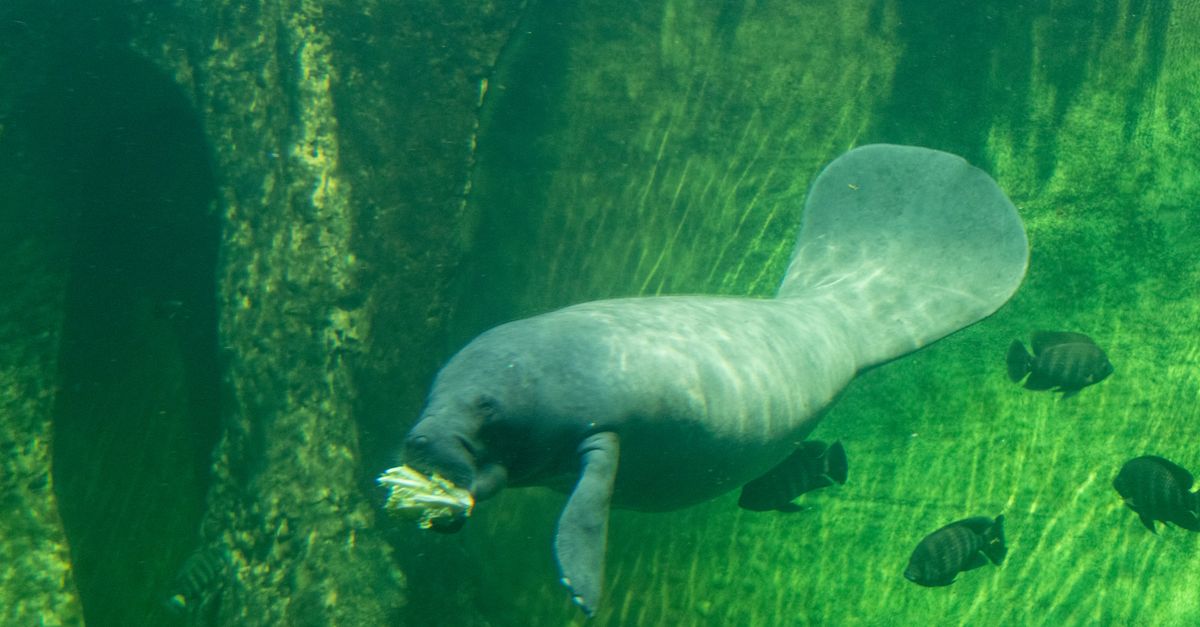
    This Photo was taken by Kelsey Elwood on Pexels.

  • Why Nature Makes the Best Beaches Near Jacksonville Even Better for Families

    Why Nature Makes the Best Beaches Near Jacksonville Even Better for Families

    Families Don’t Just Go to the Beach Here — They Get a Little Bonus Nature Lesson Too

    The best beaches near Jacksonville for families have a secret ingredient that makes the day feel bigger than sand and sunscreen: nature. On the north Florida coast, a simple beach trip can turn into dolphin spotting, seashell hunting, bird watching, and a surprisingly good lesson in how the coastline works. Kids may think they’re just chasing waves, but parents know they’re getting an easy win: fresh air, open space, and happy, tired children by lunchtime.

    That’s especially true on Amelia Island, where the beach feels a little more relaxed, a little more scenic, and a lot more family-friendly than the average crowded shoreline. It’s the kind of place where you can spread out your towel, let the kids wander a bit, and still feel like you’re in a beautiful, well-kept natural setting.

    The best family beach day is the one where everyone gets to play, explore, and come home with sand in their shoes and a story to tell.

    Amelia Island Adds More Than a Pretty View

    Amelia Island is one of those places that makes families feel like they’ve found a smarter beach trip, not just a prettier one. Yes, the sand is soft and the Atlantic views are classic Florida. But the real magic is how natural features make the beach experience more interesting.

    There are dunes, marshes, and stretches of shoreline that still feel wonderfully wild. That means the beach isn’t only a place to swim and build sandcastles. It becomes a place to notice things:

    • tiny crabs zipping sideways across the sand
    • shorebirds darting along the waterline
    • shells, driftwood, and other little treasures after high tide
    • the changing shape of the shoreline from one visit to the next

    For families, that variety matters. A child who gets bored after 20 minutes of plain sand suddenly becomes a mini explorer when the beach has birds, tracks, and tide pools to investigate.

    Nature Keeps Kids Busy Without Trying Too Hard

    Parents know the real test of a family beach is not whether it looks good in photos. It’s whether it can hold a kid’s attention long enough for everyone to relax.

    Nature helps with that.

    On the beaches near Jacksonville, especially around Amelia Island, there’s often enough going on to keep the whole crew entertained without turning the day into a planned event. One child is collecting shells. Another is watching pelicans skim the water. Someone is building a moat around a sandcastle. Suddenly, no one is asking for a screen.

    That’s the beauty of a natural beach setting: it offers simple, open-ended fun. No tickets, no reservations, no complicated logistics. Just space to play and enough natural curiosity to keep things moving.

    A few easy family beach activities that nature makes better:

    1. Shell collecting — a classic that never gets old
    2. Bird spotting — especially great for younger kids with good imaginations
    3. Tide line treasure hunts — driftwood, feathers, and interesting shapes everywhere
    4. Sand sculpture contests — nature provides the material, kids provide the chaos
    5. Nature walks near the beach — perfect for cooling down after swimming

    Travel Feels Easier When the Beach Does the Heavy Lifting

    Family travel can get complicated fast. Snacks, towels, shade, sunscreen, extra clothes, forgotten flip-flops — the list grows before you even leave the parking lot. That’s why choosing a beach that naturally supports an easy day matters so much.

    The best beaches near Jacksonville for families tend to have a relaxed rhythm. Amelia Island is a strong example because it doesn’t feel rushed or overbuilt. You can arrive, settle in, and let the day unfold without needing a strict itinerary. For parents, that’s a gift.

    Nature also helps the day feel more balanced. Instead of a nonstop schedule, families can move between:

    • swimming
    • walking
    • resting
    • exploring
    • snacking
    • repeating the whole thing

    That slower pace makes beach travel feel less like an operation and more like an actual vacation. Even a day trip can feel refreshing when the setting encourages you to slow down.

    Why Amelia Island Works So Well for Families

    Amelia Island has a family-friendly charm that’s hard to fake. It’s beautiful without being fussy, lively without being overwhelming, and naturally interesting without needing a bunch of add-ons to entertain children.

    That’s a big reason it stands out among beaches near Jacksonville. Families get:

    • wide, inviting beaches
    • natural scenery that changes with the tides
    • wildlife that sparks curiosity
    • a calmer overall atmosphere
    • easy access for a laid-back day trip or longer stay

    There’s also something reassuring about letting kids enjoy a beach that still feels connected to the environment around it. They may come for the waves, but they leave having noticed pelicans, shells, tide patterns, and maybe even a little bit about how coastal habitats work. That’s not a bad souvenir.

    The Best Kind of Beach Day Leaves Everyone a Little Wilder

    A family beach trip gets better when nature is part of the experience, not just the backdrop. That’s what makes Amelia Island and the surrounding Jacksonville-area beaches such a satisfying choice. They’re fun, scenic, and full of little discoveries that keep both kids and adults engaged.

    The result is a beach day that feels easy and memorable at the same time. The kids stay entertained. The adults get to relax. And nature quietly does what it does best: turn an ordinary outing into something everyone talks about on the ride home.

    This Photo was taken by Alexey K. on Pexels.

  • Rethinking “Conservation” in North Florida: When North Florida Land Trust Conservation Easements Need a Reality Check

    Rethinking “Conservation” in North Florida: When North Florida Land Trust Conservation Easements Need a Reality Check

    Conservation Easements in North Florida: A Bit of Paper, a Lot of Risk

    Let’s start with a question no one in a ribbon-cutting photo ever asks: What exactly are we conserving when the “protected” land is still on track to flood, wash away, or get carved up by development pressure?

    North Florida has a special talent for treating hope like a plan. We slap “conservation” on a land trust strategy, celebrate conservation easements, and then—when sea level rise and storm intensity turn “future risk” into present inconvenience—everyone acts surprised.

    Because apparently, the ocean is a rumor.

    What Conservation Easements Are (and What They Aren’t)

    A conservation easement is meant to limit what can happen on land—usually by restricting development while keeping certain compatible uses. In theory, it’s one of the best tools for protecting habitat and water quality without owning every acre outright.

    But here’s the reality check: an easement is only as strong as the assumptions behind it. If the conservation goal is “keep nature intact,” then the easement has to contend with dynamic environmental change, not just a static map from the year it was recorded.

    Easements can protect:

    • Wetlands and upland buffers
    • Wildlife corridors and habitat connectivity
    • Water quality via reduced runoff and disturbance

    Easements can also fail to deliver on conservation goals when:

    • The plan doesn’t account for marsh migration and saltwater intrusion
    • Restrictions inadvertently prevent adaptive restoration
    • The property boundaries ignore how coastal and river systems evolve

    And then there’s the part people don’t like to say out loud: conservation isn’t a deed—it’s a management commitment. Without the follow-through, it becomes a legal monument to good intentions.

    “A conservation easement can freeze land-use, but it can’t freeze sea level, storms, or ecosystem change.”

    North Florida’s Big Problem: Nature Isn’t a Still Life

    North Florida isn’t coastal Florida’s shy cousin; it’s a place where rising tides, king tides, and storm surge don’t just threaten shorelines—they reshape entire ecological networks.

    Salt marshes don’t “stay put.” They expand landward when conditions allow. Forested wetlands don’t just retreat politely; they drown, shift, and convert depending on elevation, hydrology, and sediment availability. Meanwhile, human infrastructure and development can block that movement, turning ecosystems into islands—or into disappearances.

    So when land trusts and easement programs treat conservation like a one-time win, they miss the key conservation question for this region:

    Can the protected landscape remain ecologically functional as water levels rise?

    That means planning for:

    • Elevation gradients (where can habitats migrate?)
    • Hydrologic connectivity (how does water move during and after storms?)
    • Saltwater intrusion (what happens to groundwater-dependent systems?)
    • Resilience targets (what does “protected” mean after 2040?)

    If the answer is unclear, then “conserved” may really mean “delayed.”

    The Sea Level Rise Reality Check Nobody Wants in the Newsletter

    Sea level rise isn’t a distant academic debate for North Florida—it’s an ongoing stress test. The conservation conversation needs to stop pretending the coast is a line and start treating it like a process.

    Here’s the uncomfortable truth: conservation easements can inadvertently lock in the wrong outcomes if they don’t explicitly address adaptation.

    For example:

    • An easement might restrict land management practices needed to restore wetland resilience.
    • It might prevent strategic earthwork or habitat reconfiguration that would help marshes and forests survive transformation.
    • It might protect habitat parcels that are too isolated to function as connected refuge once waters rise.

    And yes, land trusts are often dealing with limited funding, legal constraints, and political pressure. But if we’re serious about conservation, we can’t keep congratulating ourselves for protecting land without a credible adaptation pathway.

    So What Would “Reality-Checked” Conservation Look Like?

    If North Florida land trust conservation efforts want to truly conserve nature—not just the current version of it—then the approach needs to shift from static protection to ecological resilience planning.

    That means conservation easements should increasingly include or align with:

    • Explicit sea level rise and storm-surge projections in the conservation design
    • Adaptive management provisions (so restoration and habitat support aren’t prohibited later)
    • Connectivity planning across parcels, not just isolated “green dots” on a map
    • Monitoring requirements with measurable ecological outcomes (not just acreage numbers)
    • A clear statement of what happens when habitats inevitably shift—where will they go?

    The goal shouldn’t be “prevent change.” The goal should be help ecosystems survive change.

    Because conservation that ignores sea level rise isn’t conservation—it’s branding.

    And North Florida deserves better than a glossy commitment to protection that the tide will laugh off.

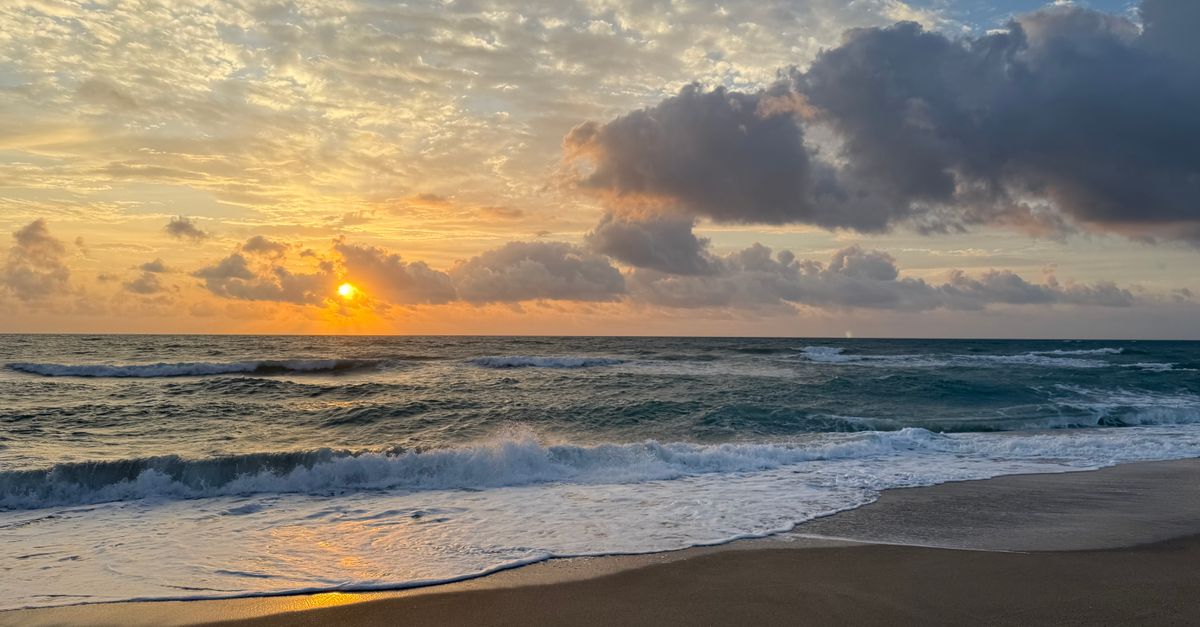
    This Photo was taken by Chris The Island on Pexels.