Tag: First Coast

  • Jacksonville Beach or Ponte Vedra Beach? How the Local Vibe Shapes Your Perfect North Florida Escape

    Jacksonville Beach or Ponte Vedra Beach? How the Local Vibe Shapes Your Perfect North Florida Escape

    Two Beaches, Two Very Different Moods

    Pick the wrong beach on the First Coast and you might spend half your day wondering where the action went. Pick the right one, and suddenly the salt air, sand, and pace of the place feel like they were designed just for you.

    Jacksonville Beach and Ponte Vedra Beach sit close together on the North Florida coast, but they deliver very different versions of a beach day. One leans lively, social, and easy to access. The other feels quieter, more polished, and a little more tucked away. If you’re deciding between the two, the real question isn’t which beach is “better” — it’s which vibe matches your perfect escape.

    Quick takeaway: If you want recreation, energy, and convenience, Jacksonville Beach usually wins. If you want calmer surroundings, upscale relaxation, and a slower pace, Ponte Vedra Beach is the better fit.

    Jacksonville Beach: The Social, Activity-Heavy Choice

    If your idea of a great beach day includes people-watching, grabbing a bite within walking distance, and having plenty of options without overthinking it, Jacksonville Beach is a strong contender. It’s one of the most recognizable beach towns on the First Coast, and it wears that identity proudly.

    This is the beach for:

    • Surfing and casual ocean recreation
    • Beach volleyball and active days in the sand
    • Boardwalk-style wandering and laid-back nightlife
    • Easy access to restaurants, shops, and rentals
    • Families, friend groups, and spontaneous outings

    There’s a certain friendly buzz here. You’ll see surfers checking waves, joggers moving along the shoreline, kids building sandcastles, and locals stopping for coffee or ice cream after a swim. It’s not fussy, and that’s part of the appeal.

    Jacksonville Beach also works well if you like a beach trip that doesn’t require much planning. Need lunch? Plenty of options. Want to rent a chair, buy sunscreen, or find a casual place to hang out later? No problem. It’s a beach with built-in convenience, which matters more than people admit.

    Ponte Vedra Beach: Calm, Polished, and a Little More Private

    Now shift south, and the atmosphere changes fast. Ponte Vedra Beach has a quieter, more refined feel. The crowds tend to be lighter, the pace more relaxed, and the overall experience a little more elegant without trying too hard.

    This is the beach for:

    • Long walks and peaceful mornings
    • Golf, spa days, and resort-style relaxation
    • Couples’ getaways
    • A slower, less noisy beach experience
    • Visitors who want serenity over scene

    Ponte Vedra doesn’t shout for attention. It doesn’t need to. The natural beauty, broader sense of space, and understated charm do the work. If Jacksonville Beach is the beach where you show up ready to do things, Ponte Vedra is the one where you arrive ready to exhale.

    That makes it especially appealing for travelers who want recreation, but not necessarily the high-energy kind. You can still swim, walk, shell-hunt, and enjoy the ocean — just with fewer distractions and more breathing room.

    Recreation: Which Beach Fits Your Style?

    Here’s where the decision gets easier. Both spots offer classic North Florida beach recreation, but the kind of recreation feels different in each place.

    Choose Jacksonville Beach if you want:

    • Surf-friendly energy
    • A more active, social shoreline
    • Close-by dining and entertainment
    • Easy access to rentals, events, and local hangouts
    • A beach day that can turn into an afternoon or evening out

    Choose Ponte Vedra Beach if you want:

    • Quiet recreation
    • Scenic walks and time to unwind
    • A more relaxed, resort-adjacent atmosphere
    • A beach day that feels restorative
    • Fewer crowds and less hustle

    Neither is wrong. They just serve different versions of the same dream: time near the water on the First Coast.

    If you’re traveling with kids who want to stay busy, a friend group looking for a casual beach-and-bites day, or you simply love the buzz of a populated shoreline, Jacksonville Beach is likely your winner. If you’re looking to slow everything down and let the ocean do its best work, Ponte Vedra Beach may be the better match.

    The Local Vibe Makes the Difference

    The biggest distinction between these two North Florida beaches isn’t the sand or the surf. It’s the local vibe.

    Jacksonville Beach feels more like a classic beach town with an easygoing, energetic personality. It’s approachable, social, and flexible. You can arrive without a plan and still have a full day.

    Ponte Vedra Beach feels more serene and exclusive, with an emphasis on comfort, privacy, and polished relaxation. It’s the kind of place where the loudest sound might be the waves, and that’s exactly the point.

    If you’re still deciding, ask yourself a few simple questions:

    1. Do I want activity and convenience or quiet and space?
    2. Am I planning a social beach day or a restful escape?
    3. Do I want to be near lots of restaurants and entertainment, or would I rather have a more secluded feel?
    4. Am I here for the scene, or for the serenity?

    Your answers usually point clearly in one direction.

    So Which One Is Right for You?

    If your ideal North Florida getaway includes recreation, easy access, and a lively beach-town atmosphere, Jacksonville Beach is probably your best fit. If you’d rather trade the buzz for calm, comfort, and a more refined shoreline, then Ponte Vedra Beach is the smarter choice.

    The good news? On the North Florida coast, you don’t have to choose forever. These beaches are close enough that you can enjoy both on different trips — or even in the same weekend if you’re feeling ambitious.

    That’s the charm of the First Coast: one stretch of shoreline, two very different moods, and a beach day waiting to match your personality.

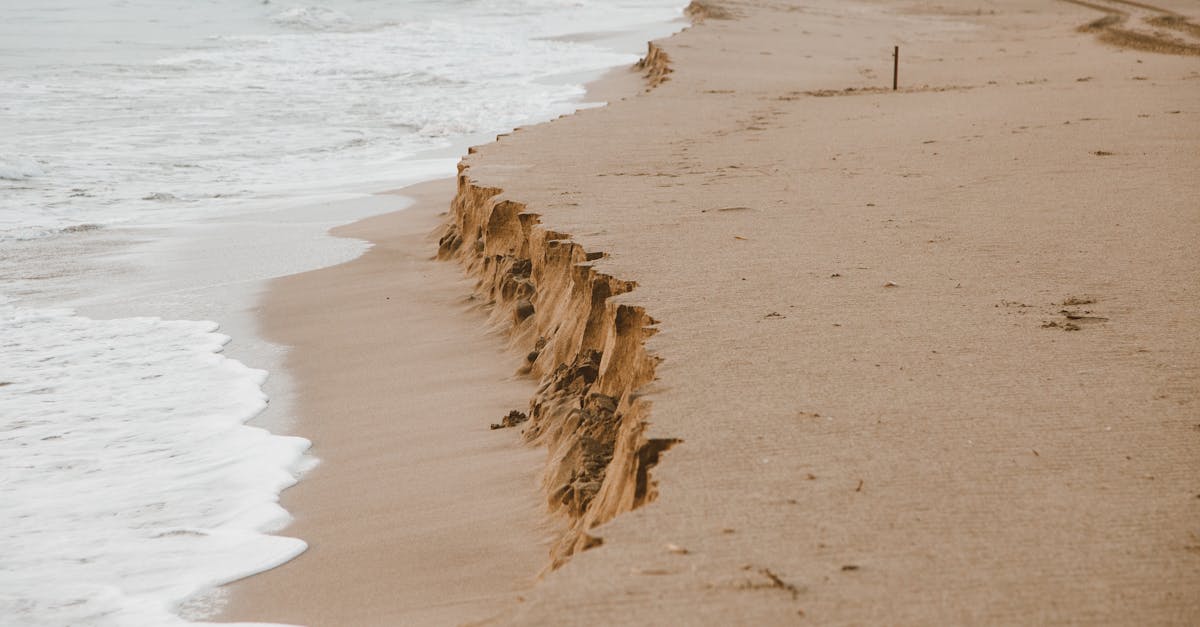
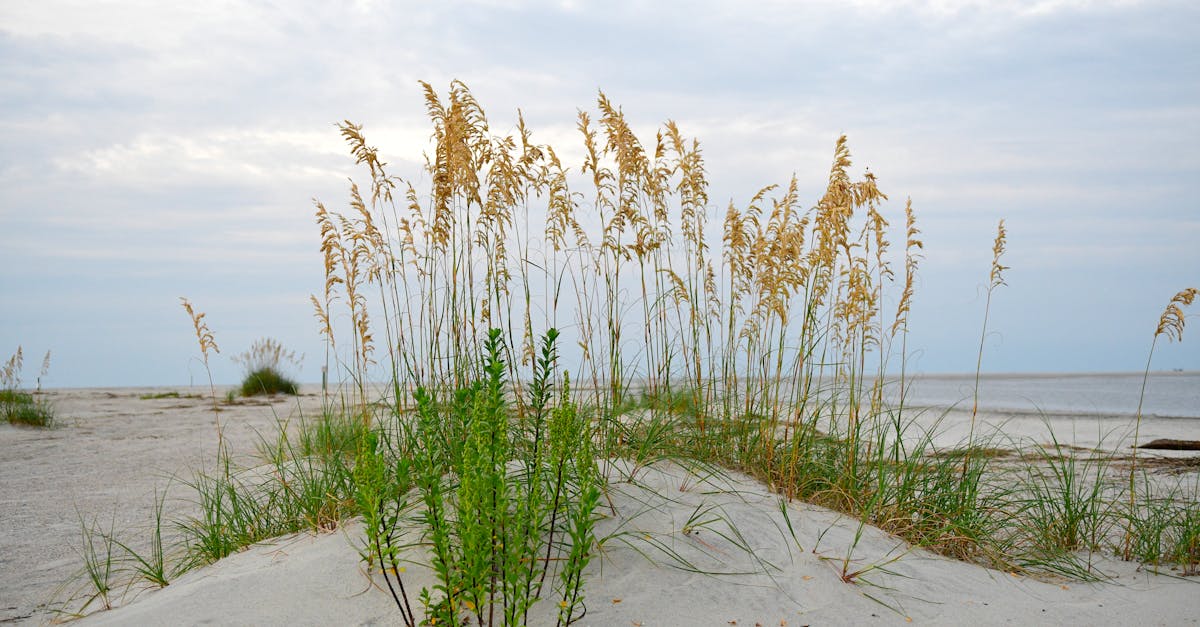
    This Photo was taken by Colon Freld on Pexels.

  • Jaw-Dropping Ways Waterways Shaped Washington Oaks Gardens: Hidden History Near Palm Coast Worth Touring

    Jaw-Dropping Ways Waterways Shaped Washington Oaks Gardens: Hidden History Near Palm Coast Worth Touring

    Washington Oaks Gardens wasn’t “just pretty”—it was a living shoreline narrative

    Stand at Washington Oaks Gardens State Park on the North Florida coast and look at the low, sandy terrain meeting the Atlantic. It’s tempting to think of this place as scenery alone. But the truth is sharper: the park’s waterways—creeks, marshes, brackish pockets, and tidal channels—shaped how people lived here, what they built, what they avoided, and what they celebrated.

    Near Palm Coast on the First Coast, this hidden gem is often visited for its sea oats, dunes, and oceanfront beauty. Yet the real story is older and far more practical. Water determined travel routes, settlement patterns, agricultural experiments, and even the rhythms of coastal work.

    “Where water moves, history moves—just not always in straight lines.”

    How waterways molded the landscape (and the people who used it)

    Washington Oaks sits in the coastal belt where saltwater influence and freshwater runoff constantly negotiate space. That matters because the land here isn’t uniform. It’s stitched together by:

    • Tidal marsh and brackish zones that expand and contract with storms and seasons
    • Small creeks and drainage paths that carried water inland—sometimes slowly, sometimes suddenly
    • Dune-and-swale systems where the land alternates between stable ground and shifting sand

    These features shaped human movement long before modern roads arrived. On the First Coast, waterways were the “connective tissue” linking camps, villages, and coastal viewpoints. Even when people traveled by land, they did so by respecting the geography—using firmer ground near higher elevations, skirt­ing marsh edges, and following drainage lines that offered the easiest routes.

    And then there’s the bigger reality: North Florida’s coast is dynamic. Water doesn’t merely sit in place; it carves. Over time, that carving created natural corridors and natural boundaries—places that welcomed travelers and places that discouraged them.

    A quiet corridor for Atlantic-era life: trade, fishing, and survival

    Coastal Florida has a way of turning “simple” resources into full strategies. Waterways at Washington Oaks would have supported a coastal economy—whether the work was fishing, collecting shellfish, or managing access to brackish water for daily needs.

    Even without a dramatic “battlefield” story, waterways generate patterns that historians recognize:

    1. Food access: marsh and nearshore waters mean fish, crabs, and other harvestable life
    2. Shelter and timing: tidal conditions affect when boats can pass and when shore work is safest
    3. Navigation cues: channels and shoreline geometry guide movement better than the horizon does

    This is where St. Augustine’s broader historical orbit matters. The Spanish presence on the coast connected inland routes to coastal movement—less through one single “Washington Oaks mission” narrative and more through the constant pull of the shoreline economy. By the time European coastal powers were consolidating influence, the First Coast wasn’t a blank page. It was already a map of practical knowledge—knowledge refined by centuries of people learning how the water behaves.

    Water’s role in the 19th–20th century story: land use, drainage, and the “engineered” coast

    Washington Oaks Gardens is known today as a state park, but it carries a layered past tied to land use and coastal development. In many parts of North Florida, coastal property owners and planners learned—sometimes the hard way—that drainage is destiny.

    Where waterways collect, land becomes wet. Where water is diverted, land becomes usable. That means any estate, farm, or development plan along the First Coast had to negotiate:

    • Low ground that floods or stays damp
    • Salt influence that affects vegetation and soil
    • Storm surge behavior that changes the shoreline’s long-term shape

    Coastal management—ditching, clearing, building access—wasn’t just landscaping. It was a decision about how people wanted water to behave. And those decisions leave traces: in the shape of trails, the contours of planted areas, and the way some routes feel “inevitable” in hindsight. You don’t always see the engineering directly, but you often feel it when you walk the terrain.

    What makes Washington Oaks especially compelling is that it holds both:

    • the natural water logic of dunes, swales, and marsh edges
    • the human overlay of how later residents tried to tame or benefit from that logic

    Touring tip: read the park like a coastline historian

    If you want to experience the hidden history, don’t just walk the obvious route—watch how the water wants to move. Even a casual visit turns into a kind of field study.

    Look for these “water history” clues as you tour:

    • Where sand gives way to darker, wetter ground (a boundary between higher and lower terrain)
    • Plant changes: salt-tolerant vegetation often signals brackish or periodically influenced zones
    • Drainage paths and subtle depressions: they can hint at historic flow lines, not just modern runoff
    • Storm-sculpted edges near dunes: water has likely been reshaping those margins for generations

    This is North Florida’s great lesson: the coast isn’t frozen. It’s a conversation between ocean and land, and Washington Oaks Gardens is one of the places where that conversation is easiest to hear.

    Why this hidden gem belongs on the First Coast itinerary

    Palm Coast gets attention for its beaches and resorts, but Washington Oaks is the more reflective kind of visit. It’s not only “a beautiful park”—it’s a coastal archive. The waterways there shaped survival, travel, and land use, creating a landscape that still carries the imprint of older rhythms.

    If you’re interested in history near St. Augustine, think of Washington Oaks as a cousin to the larger coastal story: the First Coast is one long shoreline with many chapters. And here, the chapter is written in water—quietly, persistently, and in ways you can still read with your feet.

    Pro tip: Spend a little extra time at the transitions—dune to swale, upland to wetter ground. That’s where the “why” of history becomes visible.

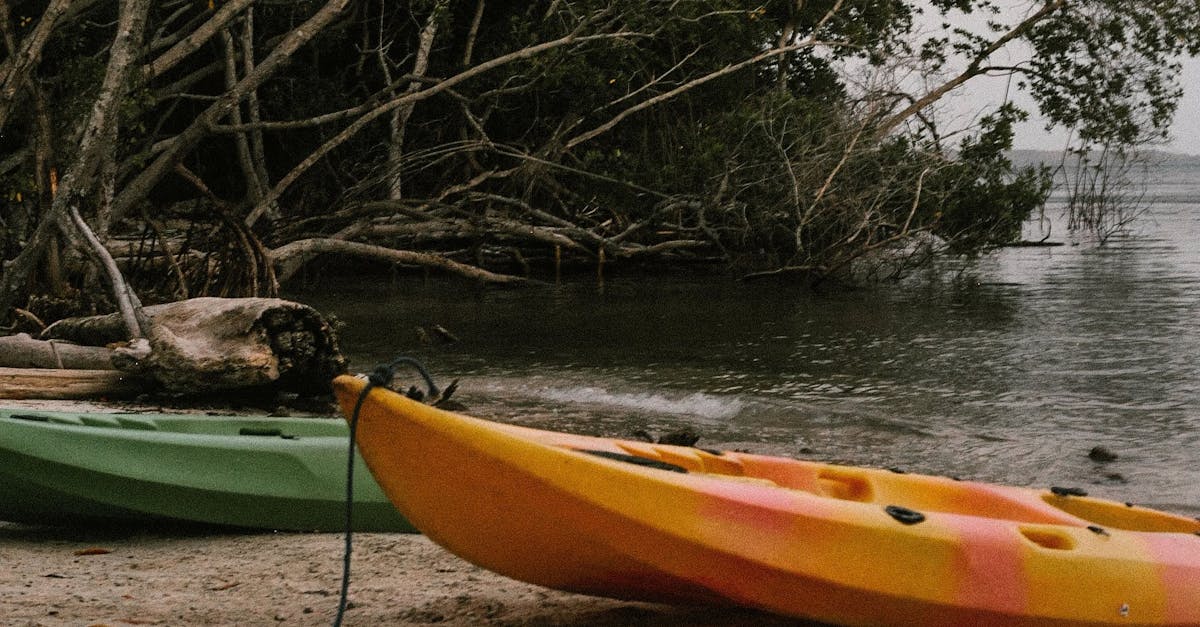
    This Photo was taken by Roy Serafin on Pexels.