Imagine a place where the sun-drenched charm of Florida collides headfirst with the majestic symmetry of Greek columns. No, it’s not a new reality TV crossover—it’s the curious case of St. Augustine, America’s oldest city, where classical architecture rubs elbows with the quirks of North Florida politics and tourism.
Greek Columns in the Land of Palms and Alligators?
If you think ancient Greece and Florida have about as much in common as flamingos and sphinxes, you’re not alone. Yet, tucked within St. Augustine’s cobblestone streets, the unexpected prominence of Greek Revival architecture tells a story of ambition, nostalgia, and sometimes political posturing.
These tall, fluted columns with their ornate capitals seem out of place against the backdrop of Spanish colonial forts and pastel-colored beach shacks. But they hark back to a time when the young United States was eager to embrace classical ideals—democracy, order, and beauty—by borrowing heavily from ancient Hellas. For more on the historic significance of these structures, see St. Augustine Town Plan Historic District, St. Augustine, Florida (U.S. National Park Service).
The Politics of Preservation
In St. Augustine, cultural heritage isn’t just about looking pretty for tourists. It’s a hotbed of debate, often more dramatic than a live soap opera. As city leaders juggle the twin roles of heritage stewards and economic boosters, Greek columns unwittingly stand at the center of a tug of war.
On one side, preservationists argue that these classical features are living connections to our shared past, deserving every effort to remain “unspoiled.” On the other, boosters—ever keen on attracting more vacationers—are tempted to jazz up or modernize, risking the delicate balance between authenticity and accessibility.
“When you’re trying to protect history but also sell history, sometimes the past gets a little… bent,” quipped a local historian during a heated city council meeting.
Tourism Meets Architectural Identity
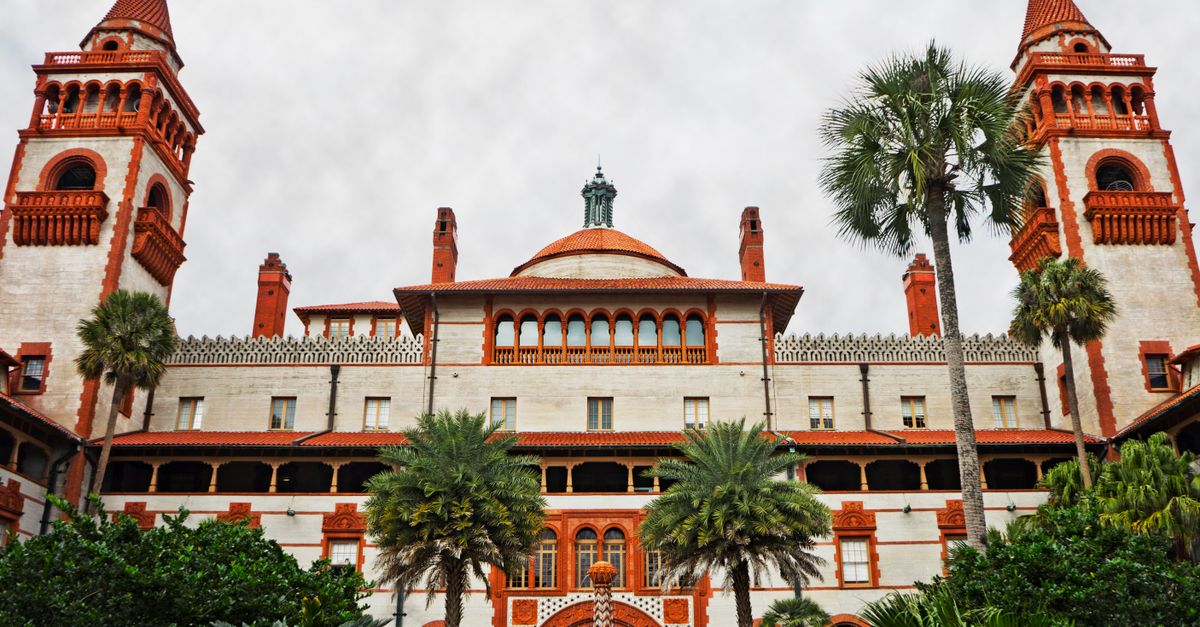
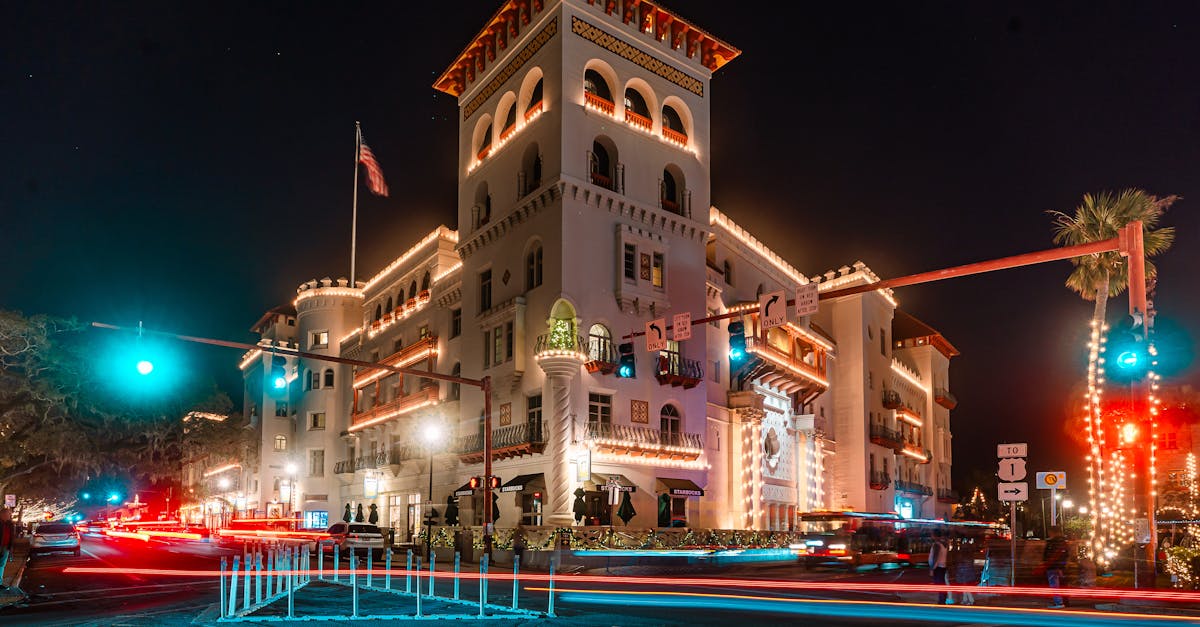
North Florida’s tourism landscape is famously diverse, but St. Augustine is unique for its blend of Spanish, Native American, and yes, Greek classical influences. Visitors come for Castillo de San Marcos and the colonial vibes but soon find themselves intrigued by these Grecian pillars sprouting in unexpected places—like a fedora-wearing tourist spotting a philosopher in flip-flops.
St. Augustine’s “unspoiled” heritage is, ironically, something of a carefully crafted storyline. The city embraces its age-old charm while leaning into its classical side, creating a layered identity that’s as much about marketing as it is history.
When Past Meets Present: The Unending Dance
The drama isn’t confined to architecture. The debates spill over into hot-button issues like zoning laws, development projects, and historic district boundaries. Local politicians often find themselves channeling Athena and Zeus, wrestling with wisdom and power to decide how St. Augustine’s legacy should evolve.
In truth, the city’s flirtation with Greek revival architecture is just one chapter in a longer saga about how history shapes a community’s self-image and economic fate. Greek columns might seem a bit out of place under the Florida sun, but they serve as towering reminders that history is never really paused; it’s being rewritten all the time.
—
Next time you stroll through St. Augustine, take a moment to admire those grand columns. They’re not just decorative—they’re silent witnesses to a cultural tug-of-war, where ancient ideals meet the alligator-infested swamp of modern politics. And trust me, that’s a story more dramatic than any Greek tragedy.

Article orchestrated by Mobstacker’s WP Auto Muse Pro
.