The Heartbeat of North Florida: Waterways and Conservation
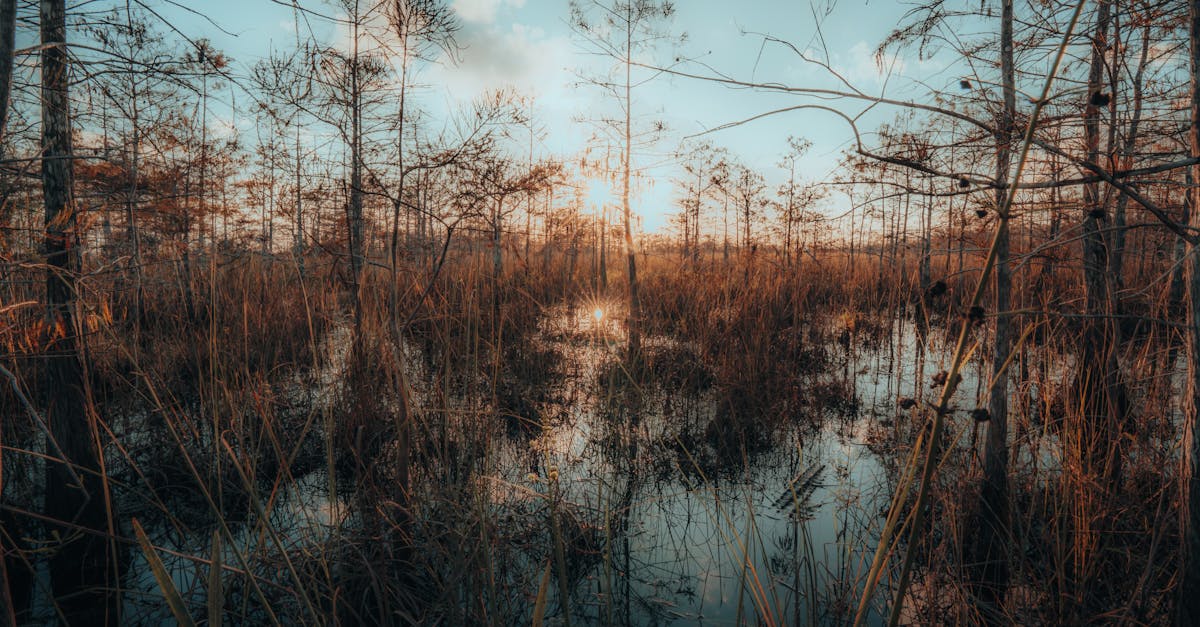
Imagine a landscape where gentle tributaries weave through lush forests, and vital waterways serve as the lifeblood of local communities. In North Florida, these essential waterways—from the expansive St. Johns River to smaller creeks and lakes—are more than just scenic sights; they are crucial for ecological health, community well-being, and economic vitality. But as climate change accelerates, especially with rising sea levels threatening to infiltrate freshwater systems, understanding the role of Florida’s water management districts becomes more critical than ever.
Water Management Districts: Guardians of the State’s Waterways
Florida’s water management districts are regional agencies tasked with safeguarding water resources, especially in areas like North Florida where water conservation and pollution control are paramount. These districts oversee projects such as flood control, water supply management, and habitat restoration.
In North Florida, the St. Johns River Water Management District stands out. It’s responsible for a massive swath of the state—covering over 18,000 square miles—and plays a key role in monitoring water quality, maintaining wetlands, and coordinating restoration efforts. Their work helps ensure communities can sustainably use water resources while protecting delicate ecosystems.
“Balancing human needs with environmental health requires coordinated effort and local knowledge—something our water management districts excel at,” notes a district spokesperson.
Challenges: Rising Seas and Changing Climates
One of the biggest threats to North Florida’s waterways is sea level rise, driven by global climate change. Rising seas threaten to saltify freshwater systems, particularly estuaries and the lower stretches of rivers like the St. Johns. This salinization impacts everything from aquatic plants to fish populations, and even drinking water for communities.
North Florida’s low-lying coastal areas are especially vulnerable. As saltwater encroaches, freshwater ecosystems face unprecedented stress, risking loss of biodiversity and economic impacts on fishing and tourism. Conservation efforts now focus on restoring wetlands, which act as natural buffers against storm surges and sea level rise.
The St. Johns River: Nature’s Artery in North Florida
Flowing over 300 miles from central Florida to the Atlantic Ocean, the St. Johns River is a defining feature of North Florida’s landscape and ecological identity. Its meandering course supports a rich diversity of wildlife and provides drinking water to millions.
However, the river faces mounting pressure. Pollution, urban development, and climate change threaten its health. Efforts led by both government agencies and local communities aim to reduce nutrient runoff, restore wetlands, and manage water flow to keep the river resilient in the face of rising seas.
“The St. Johns is not just a river; it’s a living legacy that needs our active stewardship,” says a local conservationist. Protecting it means safeguarding the entire ecosystem that depends on its clean, stable waters.
Building a Sustainable Future: Community and Conservation
North Florida communities are increasingly aware of their water’s importance and their role in conservation. Initiatives such as wetland restorations, public education campaigns, and buffer zone protections are gaining ground.
Conservation is a collective effort. Residents, policymakers, and environmental groups work together to protect water quality, preserve natural habitats, and prepare for climate impacts. Successful strategies include coordinated land-use planning and investment in green infrastructure—like permeable surfaces and rain gardens—that help reduce runoff and absorb floodwaters.
As one community leader puts it, “Our waterways are the backbone of North Florida’s identity. Preserving them ensures a vibrant future for generations to come.“
—
By understanding and supporting North Florida’s vital waterways and the efforts of local water management districts, we take an important step toward sustainable conservation—guarding these natural treasures against the threats of today and tomorrow.

Article orchestrated by Mobstacker’s WP Auto Muse Pro.