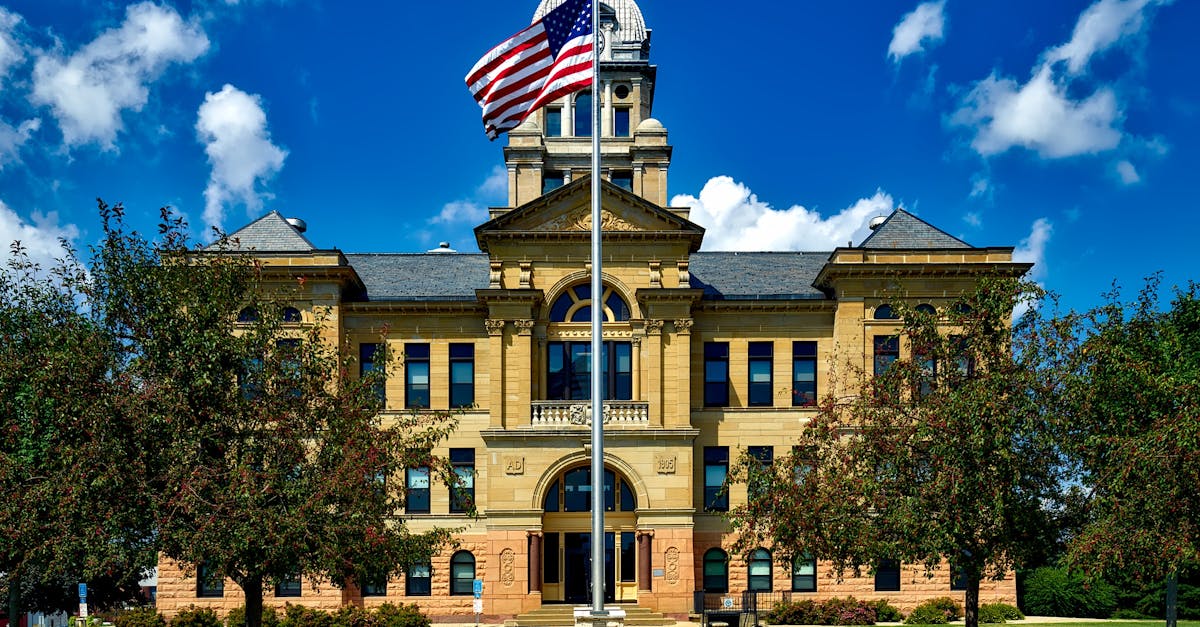
Book bans in North Florida aren’t “about books”—they’re about power over kids’ imaginations
You can feel it in the meetings: the tone changes when a librarian mentions a novel, a teacher brings up a graphic text, or a parent asks why their child can’t check out something that “mentions the wrong thing.” Then the cameras come, the talking points follow, and the debate gets flattened into a slogan about protecting children.
But in North Florida school districts—especially across the counties where politics and culture-war energy overlap—these so-called “book challenges” are functioning like political tools. Not just censorship. Not just “optics.” A system. A pressure campaign. A way to decide what counts as reality for students.
And the real question isn’t whether some books are appropriate for every grade level. The question is why so much of this effort is coordinated, why it keeps hitting similar themes, and why it always ends with kids losing access to stories that help them navigate the world.
“When adults control what kids are allowed to read, they also control what kids are allowed to ask.”
County politics meets classroom reading lists—starting with Flagler County and spreading outward
North Florida politics has always been tied to identity—church, family, community norms, and the idea that local leaders can “keep things on track.” What’s new is how quickly that identity politics has moved into curriculum and library shelves.
Flagler County, along with neighboring districts across the region, has become a flashpoint not only because of the books themselves, but because of how bans are pursued:
- Challenges often begin with complaints framed as “concerns” rather than clear educational goals.
- Review processes can become slow, expensive, and exhausting—especially for schools with fewer resources.
- The outcome is frequently the same: removal, restriction, or heavy limitations that function like a ban.
This is where the politics gets sharp. School boards are local government, and local government is where cultural conflict becomes policy. County commissioners, state-level activists, and politically aligned parent groups all operate through the same channels: meetings, public comment, petitions, media pressure, and legal threats when they don’t get their way.
That’s not accidental. That’s strategy.
Why it matters politically: bans are also a campaign for legitimacy
When people fight for book removals, they’re not just trying to change what a child reads. They’re trying to change what the school district symbolizes.
A “restricted shelf” message says: We decide what’s acceptable.
A “removed title” message says: We can rewrite reality.
That’s political power in plain clothes.
What gets targeted usually isn’t “porn” or “violence”—it’s identity, history, and lived experience
Let’s talk plainly about what these campaigns tend to go after in North Florida: books that address race and racism, LGBTQ+ identity, sexual health, gender, family diversity, and sometimes even books that tackle trauma or inequality.
Some folks will say, “It’s just inappropriate material.” But “inappropriate” becomes a political label when the same categories keep getting singled out across district after district.
And once the focus turns toward identity and history, the stakes rise fast.
A student reading a book about their own experience isn’t being corrupted. They’re being recognized. A student reading about someone else’s life isn’t being indoctrinated. They’re learning the basics of empathy and context—two things that schools are supposed to teach.
Bans don’t remove danger; they remove conversation. They force children to learn about complicated subjects through rumors, silence, or partisan social media instead of guided discussion.
The educational cost is real—and it hits hardest for kids who need stories most
When books get pulled, the losses don’t stop at “that one title.” They ripple.
- Teachers lose reference points for discussion.
- Librarians lose professional autonomy.
- Students lose the chance to find a character who feels like them.
- Parents with a genuine interest in learning lose access to age-appropriate materials.
And when a student doesn’t see themselves—or doesn’t see their families, neighbors, or history in the curriculum—they don’t just get bored. They get erased.
That’s not education. That’s cultural control.
Book bans are a backdoor curriculum change—using censorship as governance
Here’s the uncomfortable truth: many of these bans don’t operate like a thoughtful curriculum revision process. They operate like a verdict delivered in public.
A complaint is filed.
A review is demanded.
A political narrative hardens.
A vote happens.
Whether the book is ultimately removed or just restricted, the process itself becomes the message: The district will bend under pressure.
That’s why bans feel political even when officials claim they aren’t. Because the mechanism is political.
School districts in counties like Flagler sit at the intersection of local governance and state politics. When book bans accelerate across the region, it sends a signal that districts can be moved—publicly and predictably—by culture-war pressure.
And once you learn that lesson, you can expect more of the same.
The most dangerous part of a book ban isn’t the book—it’s the precedent.
Why it’s past time to stop: kids deserve schools that teach, not schools that perform
North Florida can be proud of a lot—community spirit, local tradition, strong civic engagement. But pretending that book bans are harmless is just not credible. They don’t protect children as much as they reshape classrooms into battlegrounds.
It’s time for leaders in Flagler County and across North Florida to hold a harder line:
- Stop treating censorship as “parental choice” when the result is institutional removal.
- Protect professional educators and librarians from politically weaponized harassment.
- Insist on clear, age-appropriate content standards through transparent educational review—not public pressure theater.
- Remember that “protecting kids” includes protecting their ability to learn about the world honestly.
Because if we keep doing this, the future we’re building won’t be safer. It’ll be narrower. And kids—especially the ones already struggling to find a place in school—will pay the price.
If North Florida wants serious leadership, it has to ask a serious question: Do we want schools that govern kids’ curiosity, or schools that grow it?
—
Here are relevant URLs to insert as hyperlinks:
- Updated List: Every Known Florida School District Book Ban, July 2021-June 2024: A comprehensive list of known book bans instituted in every Florida school district since July 1, 2021, according to the
- ‘State-driven censorship’: new wave of book bans hits Florida school districts | US book bans | The Guardian: A new wave of book bans has hit Florida school districts, with hundreds of titles being pulled from library and classroo
- Florida school districts removed roughly 300 books last school year: In response to an email from NBC News seeking comment on the list and referring to the removed titles as “banned books,”
- Florida book bans: 5 surprising books pulled from school …: Pangolins are scaly, anteater-like … according to the World Wildlife Foundation. Manatee County removed the bo
- Politics | PBS News: Follow PBS NewsHour’s complete coverage of politics, Congress, the Supreme court and the presidency.
- Politics | CNN Politics: Politics at CNN has news, opinion and analysis of American and global politics Find news and video abou
- Politics – Wikipedia: Politics is the activity of settling affairs in an organized society. Politics is usually concerned wit

Article orchestrated by Mobstacker’s WP Auto Muse Pro
.