North Florida Beaches: Guardians of Water Quality and Political Challenges
North Florida’s expansive coastline, stretching along the Gulf of Mexico and the Atlantic Ocean, is renowned not only for its picturesque beaches but also for their critical role in maintaining water quality. As environmental concerns like algae blooms continue to threaten these pristine waters, regional politics—especially in counties like Flagler and Nassau—play a pivotal role in shaping policies aimed at safeguarding this natural resource.
—
The Ecological Significance of North Florida’s Beaches
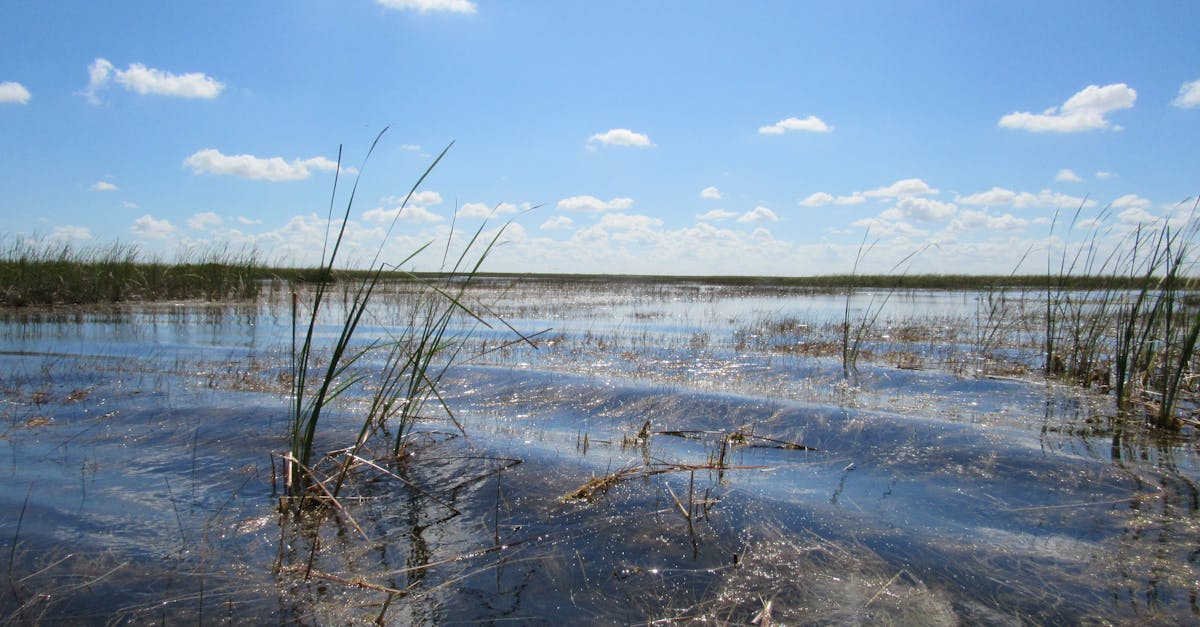
The region’s beach ecosystems serve as natural filters, trapping pollutants and sediments that might otherwise degrade water quality. Coastal wetlands, dunes, and barrier islands act as buffer zones, reducing nutrient runoff—primarily nitrogen and phosphorus—that fuels harmful algae blooms such as red tide and green algae. These phenomena not only threaten marine ecosystems but also impact local economies dependent on tourism, fishing, and recreation.
Local Economies and Environmental Stewardship
In Flagler County, tourism drives much of the local economy, making water quality preservation not just an environmental issue but a political imperative. Similarly, Nassau County’s coastal communities rely heavily on healthy waters for boating, fishing, and beachgoers. This economic dependence fuels political debates around regulation, conservation efforts, and state funding for water infrastructure.
—
Political Dynamics in Water Quality Regulation
The politics surrounding water pollution management reveal a complex web of interests, priorities, and resource allocations. Local leaders face pressure from diverse stakeholders—from environmental advocates urging stricter controls to developers and industries advocating for relaxed regulations.
“Balancing development and environmental protection remains the central challenge for North Florida’s policymakers,” notes a recent report from the Gulf Coast Watershed Alliance.
In Flagler, county commissioners have advocated for increasing buffer zones and stricter stormwater regulations, citing the need to prevent algae outbreaks. Conversely, some local developers express concern over prolonged permitting processes, fearing economic setbacks. Similarly, Nassau County faces ongoing debates over agricultural runoff and its regulation.
Policy Challenges
- Funding limitations for water infrastructure and ecosystem restoration.
- Legal disputes over jurisdictional authority between local governments and state agencies.
- Public awareness and political will, critical in implementing effective long-term solutions.
The political landscape frequently shapes the pace and scope of these initiatives, often contingent upon upcoming elections or shifts in leadership.
—
The Path Forward: Collaboration and Policy Innovation
Overcoming algae bloom challenges in North Florida’s beaches demands intergovernmental cooperation, scientific research, and public engagement. Both Flagler and Nassau Counties are exploring innovative approaches like green infrastructure projects, nutrient trading programs, and community-led watershed management.
Key to success is fostering a political climate that values long-term sustainability over short-term gains. As one local policy expert emphasizes:
“The health of our beaches depends on political courage—the willingness to prioritize our environment for future generations.”
—
Conclusion
North Florida’s beaches are more than scenic vistas; they are vital ecosystems and economic drivers intricately linked to water quality and algae bloom control. The ongoing political debates and policies in counties like Flagler and Nassau reflect broader regional struggles—balancing development, environmental conservation, and public health. The future of these coastal waters hinges on collaborative governance, innovative policy-making, and dedicated community engagement. Only then can North Florida preserve its natural beauty and ecological vitality for generations to come.
—

Article orchestrated by Mobstacker’s WP Auto Muse Pro.