The story of Henry Flagler and the Florida East Coast Railway (FEC) is more than a historical footnote; it is a vibrant thread woven into the fabric of St. Augustine and the wider First Coast region. Today, the legacy he built continues to resonate thanks to the passion and curiosity of visitors. Nineteen experts from diverse backgrounds—historians, tour guides, museum curators, and local business owners—share how tourists not only illuminate Flagler’s impact but also actively participate in preserving and celebrating North Florida’s rich heritage.
Breathing Life into Flagler’s Vision
Visitors often arrive in St. Augustine drawn by its famed colonial charm, yet many come away with a deeper appreciation of Henry Flagler’s transformative role in shaping the city and the entire First Coast. According to Dr. Lisa Moreno, a local historian:
“Every footstep on Flagler’s landmarks—from the opulent Ponce de León Hotel to the meticulously crafted FEC rail depots—becomes a journey through a pivotal chapter of Florida’s growth. Our visitors don’t just observe history; they help keep it alive.”
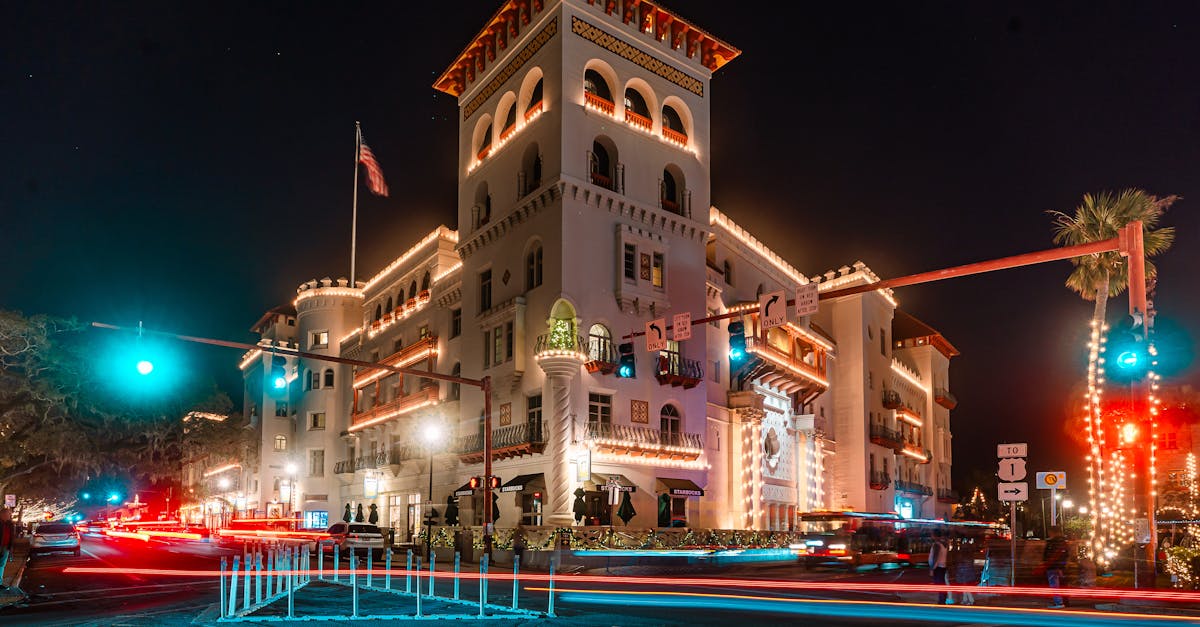
Tour groups and history buffs alike flock to the Flagler College campus, once the grand Ponce de León Hotel built with bricks from a pioneering FEC Railway venture. These visitors’ enthusiasm often sparks lively discussions about Flagler’s vision of connecting Florida to the rest of the U.S. via his railway, a feat that expanded economic opportunities across the state, especially in North Florida’s coastal communities.
The Railway as a Catalyst for Regional Identity
Experts underscore how visitors illuminate less heralded parts of Flagler’s story—such as the economic and cultural awakening the FEC Railway instigated along the First Coast.
- The FEC Railway was not just a transit line but a lifeline crisscrossing Florida’s barrier islands and mainland.
- It opened trade routes, encouraged settlement, and brought tourism dollars to cities like St. Augustine.
- The railway’s role continues to foster a regional identity anchored in innovation and resilience.
Sarah Thompson, curator at the St. Augustine Historical Society, observes that tourists’ questions and engagement challenge historians to dig deeper and share nuanced stories of laborers, engineers, and African American communities who contributed to the railway’s success.
Preserving History Through Interactive Experiences
One of the most dynamic ways visitors highlight Flagler’s legacy is through participation in preservation and educational activities. Walking tours, immersive exhibits, and railway museum visits offer hands-on encounters with history. For example:
- The Flagler Station Railroad Museum showcases original FEC artifacts while evoking the heyday of train travel.
- Interactive storytelling sessions reveal the behind-the-scenes triumphs and struggles of building the railway system.
- Local businesses operate vintage trolley and railway-themed tours, allowing guests to literally ride the rails of history.
“These immersive experiences foster a communal appreciation,” notes Paul Jenkins, a tour operator specializing in historical excursions. “When visitors engage with Flagler’s story on a personal level, they become advocates for preserving the First Coast’s unique heritage.”
North Florida’s Untold Stories and the Future of History Tourism
The First Coast isn’t just about grand hotels and railways; it also holds countless untold tales of indigenous peoples, early settlers, and environmental transformations linked to Flagler’s railway expansion. Visitors’ curiosity often leads local historians and cultural institutions to uncover and share these hidden narratives, creating a richer, more inclusive understanding of the region’s past.
Experts agree that the continued influx of history-minded travelers ensures that these stories will be researched, preserved, and celebrated for generations to come. In the words of historian James Collins:
“Every visitor to St. Augustine is a bridge between past and future. Their interest, their questions, their enthusiasm illuminate Henry Flagler’s monumental legacy in ways pure scholarship alone could never achieve.”
—
Exploring the legacy of Henry Flagler and the Florida East Coast Railway through St. Augustine’s historic streets, museums, and enthusiastic visitors reveals a living history thriving at the intersection of past and present. The First Coast’s story is one of innovation, connection, and transformation—one that gains fresh vitality each time curious travelers arrive to witness and share it.

Article orchestrated by Mobstacker’s WP Auto Muse Pro.