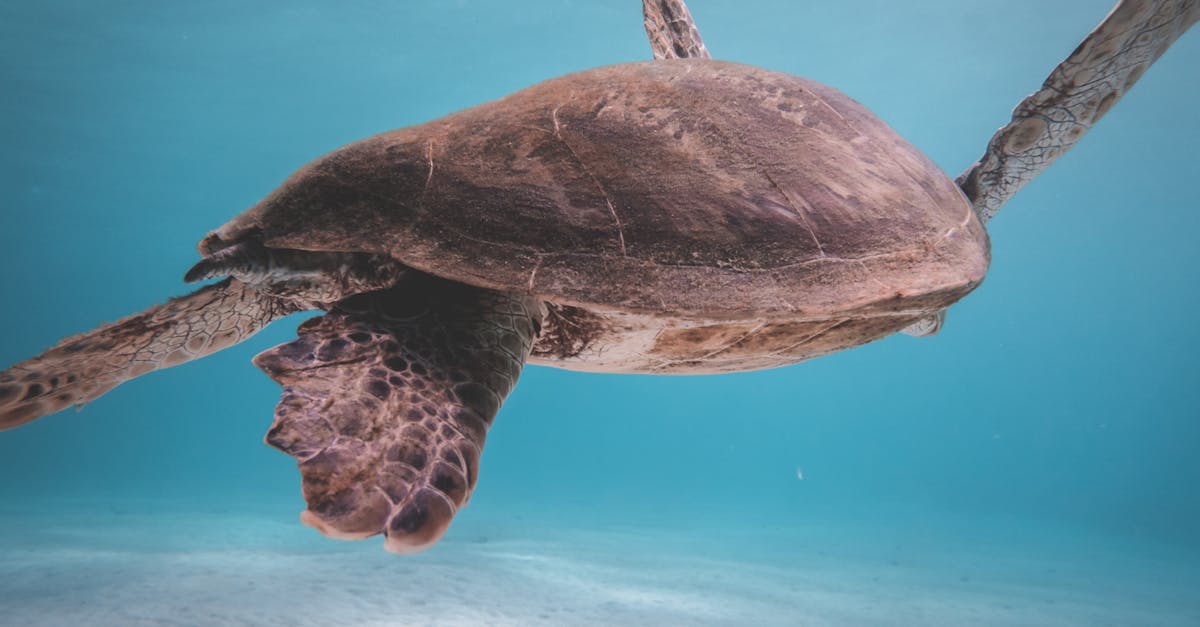
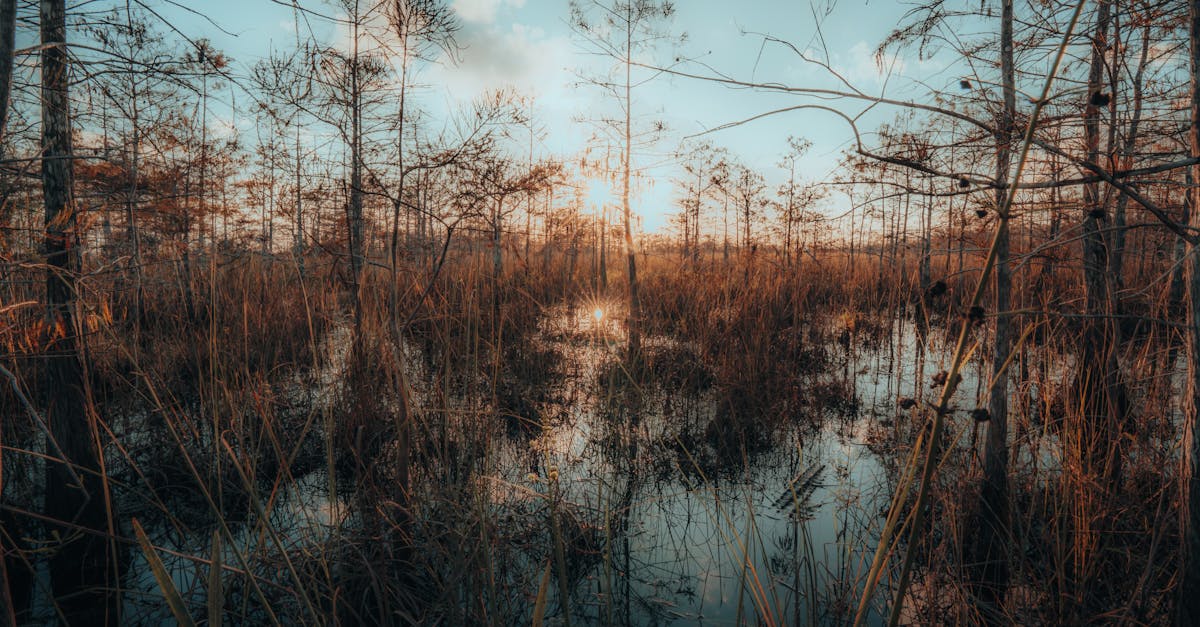
A single sea turtle nest can shape the summer rhythm of an entire beach. By the time the first loggerhead crawls ashore on a warm North Florida night, the sand is already doing double duty: cradling future hatchlings while also hosting shorebirds, ghost crabs, dune plants, and the occasional human footprint that can mean trouble for all of them.
Why Nesting Season Matters Here
North Florida’s coastline is one of the most important nesting areas in the Southeast. Loggerhead turtles lead the pack, but green turtles and the occasional leatherback also rely on our beaches to lay eggs. When nesting season kicks off, usually in late spring and runs through summer, the beach becomes more than a place to relax. It becomes a nursery.
That matters for the future of our waterways. Sea turtles are part of a larger coastal web. Healthy nesting beaches often go hand in hand with healthy dunes, cleaner runoff, and better protection for nearshore habitats. If the beach erodes, lighting gets too bright, or human activity overwhelms the nesting zone, turtle reproduction can drop. And when turtle populations struggle, it’s a warning sign that the broader coastal ecosystem is under stress too.
A beach that can support nesting sea turtles is usually a beach with something right below the surface, too.
How Sea Turtles and Shorebirds Share the Sand
Sea turtles aren’t the only creatures with a stake in nesting season. Shorebirds like least terns, black skimmers, plovers, and oystercatchers also depend on Florida’s beaches to raise their young. That overlap creates a delicate balancing act.
Both groups need quiet, open sand. Both are vulnerable to vehicles, pets, foot traffic, and artificial lights. And both tend to suffer when people treat the beach like a parking lot with a view.
The good news? Conservation for one often helps the other. Simple actions like:
- keeping dogs leashed or off nesting beaches during nesting season
- filling in holes and flattening sand castles before leaving
- turning off beachfront lights or using turtle-friendly bulbs
- giving roped-off nesting areas plenty of space
can make a real difference for turtles and shorebirds alike.
The dunes matter, too. Healthy dune systems stabilize the beach, reduce erosion, and create the kind of shoreline that supports nesting habitat year after year. Native plants like sea oats help hold everything together, and that benefits the whole coastal community.
Conservation in a North Florida Sense of Place
North Florida has a wildness that still feels close enough to touch. You can spend one morning watching a heron hunt in a marsh and the next see turtle tracks etched into the sand. That’s part of why conservation here isn’t an abstract idea. It’s local, visible, and tied to everyday choices.
Sea turtle nesting season is also a reminder that conservation doesn’t stop at the waterline. What flows inland matters. Stormwater runoff, litter, pesticides, and poor land-use practices can all affect beach and nearshore health. If the water quality declines, it affects the food web turtles depend on, and it can ripple through coastal birds, fish, and even offshore habitats.
This is where North Florida’s broader wildlife story gets interesting. Our beaches are part of a larger mosaic that includes marshes, pine flatwoods, barrier islands, and freshwater systems. A healthy coastline helps support species that move across all those spaces. Cleaner beaches and healthier waterways aren’t just good for turtles; they support the whole chain.
Where the Black Bear Fits Into the Bigger Picture
At first glance, black bears may seem like they live in a completely different world from sea turtles. And in a sense, they do. Bears roam inland forests, swamps, and developing edges far from the surf. But in North Florida, wildlife conservation is never really one species at a time.
Black bears are a good example of how habitat protection works across landscapes. When development spreads without enough planning, wildlife corridors shrink. That can increase road crossings, human-bear conflict, and pressure on natural areas. Protecting dunes, wetlands, and connected habitat near the coast helps preserve the broader ecological fabric that supports everything from bears inland to turtles on the beach.
There’s also a shared lesson here: when humans leave food scraps, trash, or poorly managed attractants behind, wildlife pays the price. Bears get habituated. Seabirds scavenge litter. Hatchlings become disoriented by debris and lights. Conservation works best when people understand that every habitat is connected, even if the animals using it aren’t all standing on the same stretch of sand.
What You Can Do This Season
Sea turtle nesting season doesn’t need to be grim or preachy. It can be one of the most rewarding times to enjoy the coast, because the beach is alive with possibility. Here’s how to help without giving up the fun:
- Walk near the waterline when possible, and avoid marked nests or posted areas.
- Keep beaches dark at night by closing blinds, turning off exterior lights, and using turtle-safe lighting.
- Remove trash and fishing line, both of which can entangle wildlife.
- Respect wildlife monitors and conservation volunteers. They’re often the first line of defense for nests.
- Teach kids to look for tracks, not touch nests. It turns a beach day into a real field lesson.
If you spot a turtle crawling ashore, keep your distance, stay quiet, and never use flash photography. The best thing people can do is let the animal finish its job.
A Future Written in Tracks and Tides
Every nest dug into North Florida sand is a small gamble against storms, predators, artificial light, and human carelessness. But it’s also a sign of resilience. Sea turtles have been making this journey for millions of years, and our beaches still matter enough for them to return.
That should make us protective, not possessive. The goal isn’t to freeze the coastline in time. It’s to keep it functional—for sea turtles, for shorebirds, for inland species like black bears that depend on healthy connected habitats, and for the people who love this stretch of Florida enough to keep coming back.
If we do this right, nesting season will keep bringing the same quiet miracle each summer: tracks in the dawn sand, a few safe nests above the tide line, and another generation of hatchlings headed toward the water.

Article orchestrated by Mobstacker’s WP Auto Muse Pro.