The Quiet Battle on North Florida’s Atlantic Coast
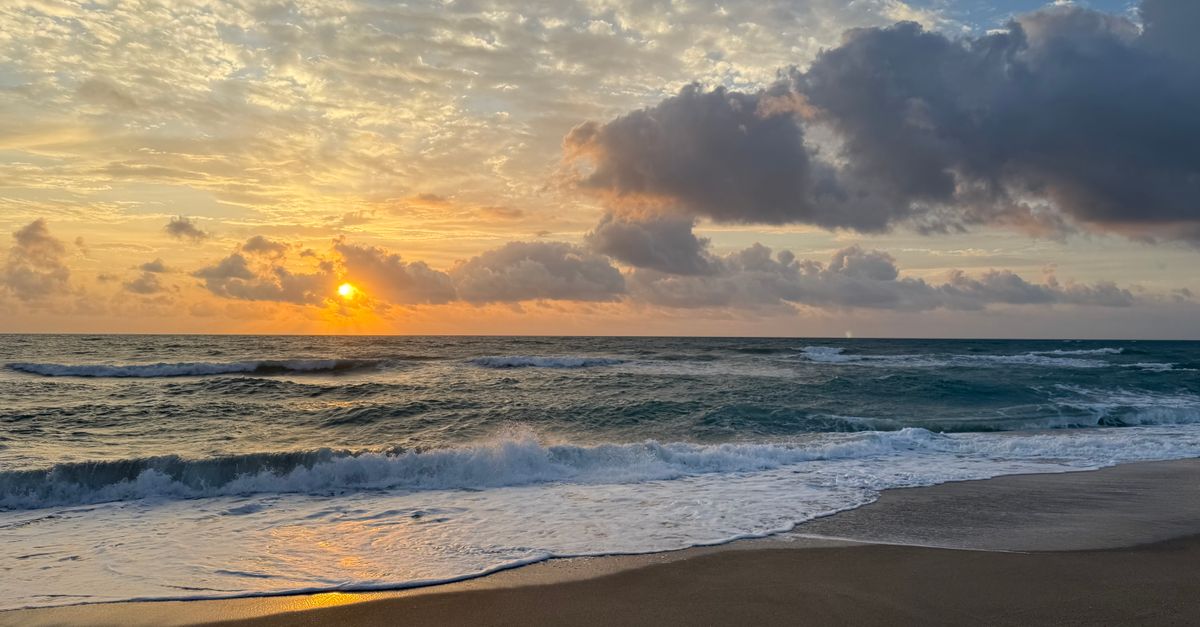
North Florida’s beaches still feel surprisingly wild in places. Walk a stretch of shoreline early enough and you can hear the surf, the gulls, maybe a wind-shaped dune grass brushing in the breeze, and very little else. That sense of openness is part of the region’s charm — and also the reason so many people worry about what comes next.
Beach erosion and development pressure are shaping the future of the North Florida Atlantic coast in ways most visitors never see on a weekend trip. Behind the dunes and beyond the parking lots, coastal communities are trying to balance recreation, property protection, wildlife habitat, and the simple fact that beaches are never static. They move. They narrow. They rebuild. They retreat.
The hopeful part? North Florida still has room to make smarter choices.
Why North Florida’s Beaches Feel Different
Compared with some heavily armored coastlines farther south, many stretches of North Florida still have a raw, natural quality. That matters. Beaches here aren’t just scenery; they’re part of the region’s identity and economy. Families come for the sand, anglers come for the surf, paddlers look for calm inlets, and birders come for the shoreline itself.
But the attraction of beach life brings its own pressure. More homes, more roads, more vacation rentals, more demand for access. In some places, that means building closer to the water than nature really allows. Once development moves too near the shore, erosion stops being an abstract environmental issue and becomes a crisis for driveways, seawalls, and insurance bills.
The beaches that look most untouched are often the ones best positioned to survive.
That’s not luck. It’s geography and policy working together.
What Makes These Coastlines Vulnerable
A few factors make North Florida beaches especially sensitive:
- Storm surge and nor’easters can move huge amounts of sand quickly.
- Sea-level rise gradually increases the baseline threat to dunes and low-lying infrastructure.
- Hard structures like seawalls can protect one property while worsening erosion nearby.
- Sand mining and inlet dynamics can disrupt natural sediment flow.
- Overdevelopment reduces the room dunes and beaches need to migrate inland.
The coast is always adjusting. The question is whether people build with that reality in mind.
Recreation Depends on a Healthy Shoreline
For many residents and visitors, the beach is first and foremost a place to relax. That’s understandable. North Florida’s Atlantic beaches support everything from sunrise walks to surf fishing to family vacations. But recreation doesn’t happen in a vacuum. It depends on wide sand, stable access points, and dunes that can absorb storms without disappearing overnight.
When erosion worsens, the effects show up in very practical ways:
- Fewer safe spots for sunbathing and beach games
- Narrower access areas and crowded parking
- More closures after storms
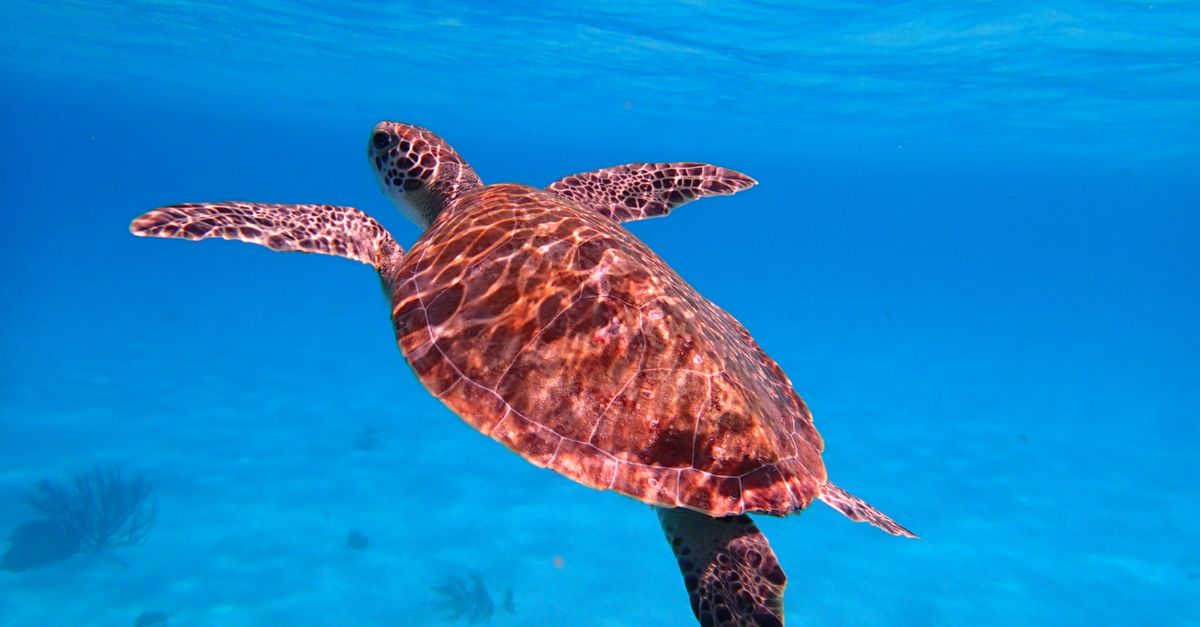
- Declining habitat for nesting shorebirds and sea turtles
- Costly beach nourishment projects that may only buy time
A beach that has to be rebuilt again and again is no longer cheap recreation. It’s an ongoing investment, and not always a sustainable one.
That’s why the best coastal planning in North Florida increasingly focuses on keeping recreation possible without trying to freeze the shoreline in place. There’s a big difference between preserving access and trying to dominate nature.
Development Pressure: The Hard Part Nobody Likes to Talk About
The tension on the North Florida coast is not simply beach lovers versus developers. It’s more complicated than that. Communities need housing, local tax revenue, roads, and public access. Yet the closer development gets to the ocean, the more vulnerable it becomes — and the more expensive it is to defend.
Some of the toughest choices involve:
- Setback rules that keep new construction farther from erosion-prone areas
- Density limits that reduce the number of structures at risk
- Managed retreat in the most vulnerable locations
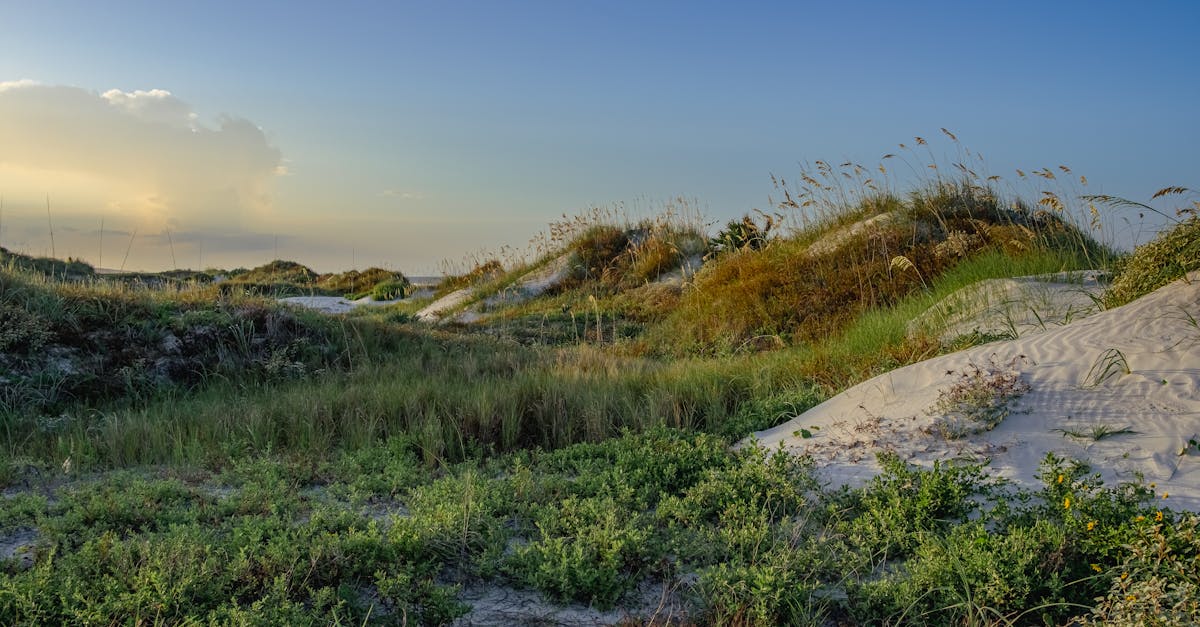
- Dune restoration and native vegetation plantings
- Public beach access planning that avoids overbuilding along critical shoreline corridors
Not every town wants to hear this. But the cost of ignoring it is already visible in many coastal states. North Florida has a chance to be different.
The region’s advantage is that it still contains long stretches where conservation, recreation, and smart development can coexist. The challenge is protecting that balance before the last open dune line becomes another row of condos and parking lots.
Why There’s Real Hope
Hope on the coast doesn’t come from pretending erosion will stop. It comes from adapting before the damage becomes irreversible.
North Florida has several reasons to be optimistic:
- Public awareness is growing. More people understand that beaches are dynamic systems, not fixed assets.
- Local conservation groups are active. They push for dune protection, habitat preservation, and responsible planning.
- Better science is available. Coastal modeling and mapping help communities anticipate risk.
- Nature-based solutions are gaining traction. Dune grasses, living shorelines, and preserved buffers often work better than rigid walls.
- Some communities are learning from past mistakes. That matters more than it sounds like it does.
There’s also a cultural shift underway. A lot of Floridians no longer see “development” as automatically good if it means paving over the very features people came to enjoy. On the Atlantic coast, where the ocean is always present and always changing, that realization may be the difference between lasting beauty and expensive decline.
The future of North Florida’s beaches will belong to places that make room for the shore to move.
That’s the central lesson. Beaches survive when humans stop treating them like frozen property lines and start treating them like living systems.
A Better Coastal Future Is Still Possible
North Florida doesn’t need to choose between recreation and preservation. It needs to choose smarter versions of both.
That means protecting dunes, limiting risky construction, maintaining public access, and resisting the urge to armor every vulnerable mile of shoreline. It also means accepting that some places are better left open, even if that feels inconvenient in the short term. The coastline is not a straight-line investment. It’s a long conversation between land, water, weather, and people.
The good news is that North Florida still has something precious: time. Not endless time, but enough to act. Enough to preserve the beaches that still feel wild. Enough to keep recreation alive without sacrificing the coast itself.
If the region gets this right, future generations may still find what so many people love today — a stretch of sand, a line of dunes, and the sense that the beach is bigger than any one building, road, or season.

Article orchestrated by Mobstacker’s WP Auto Muse Pro.