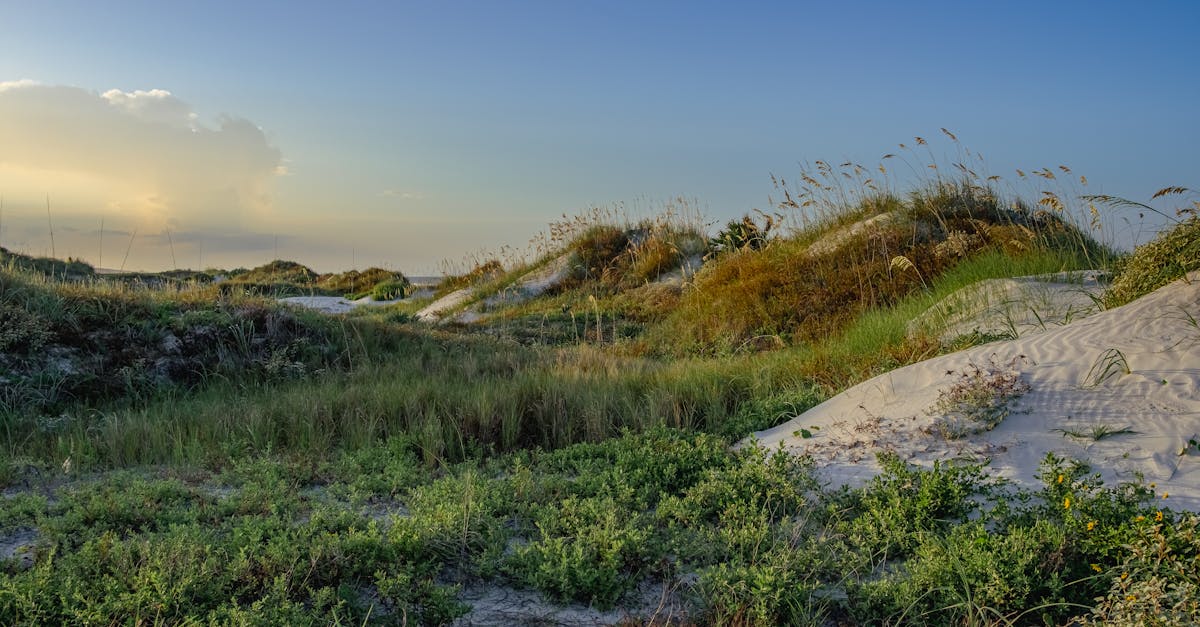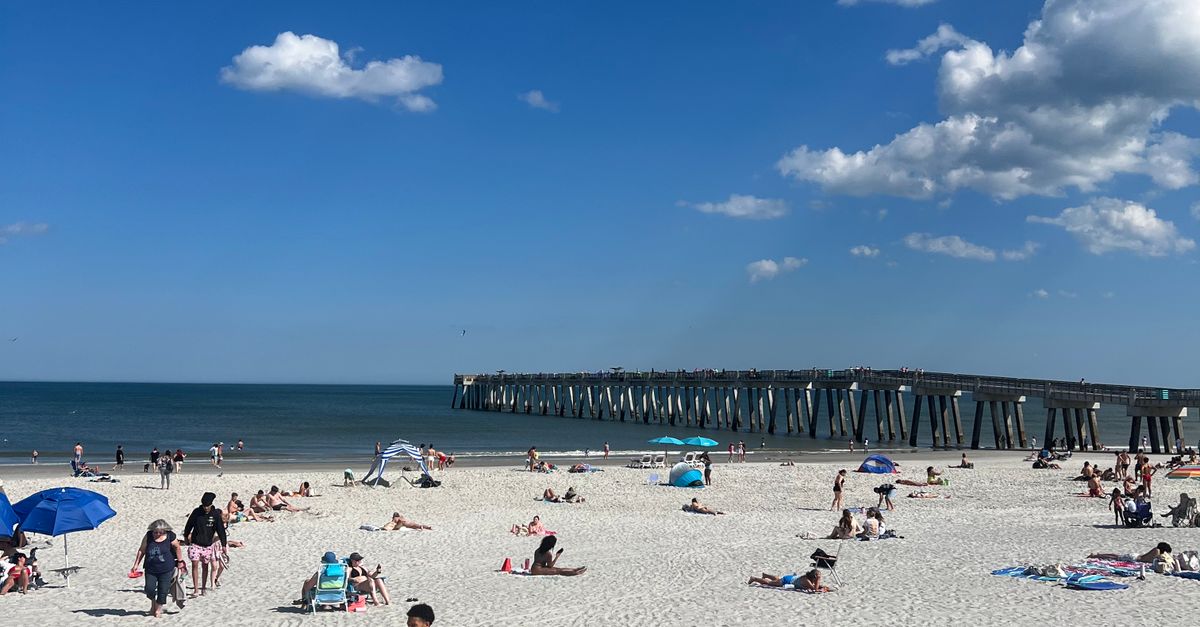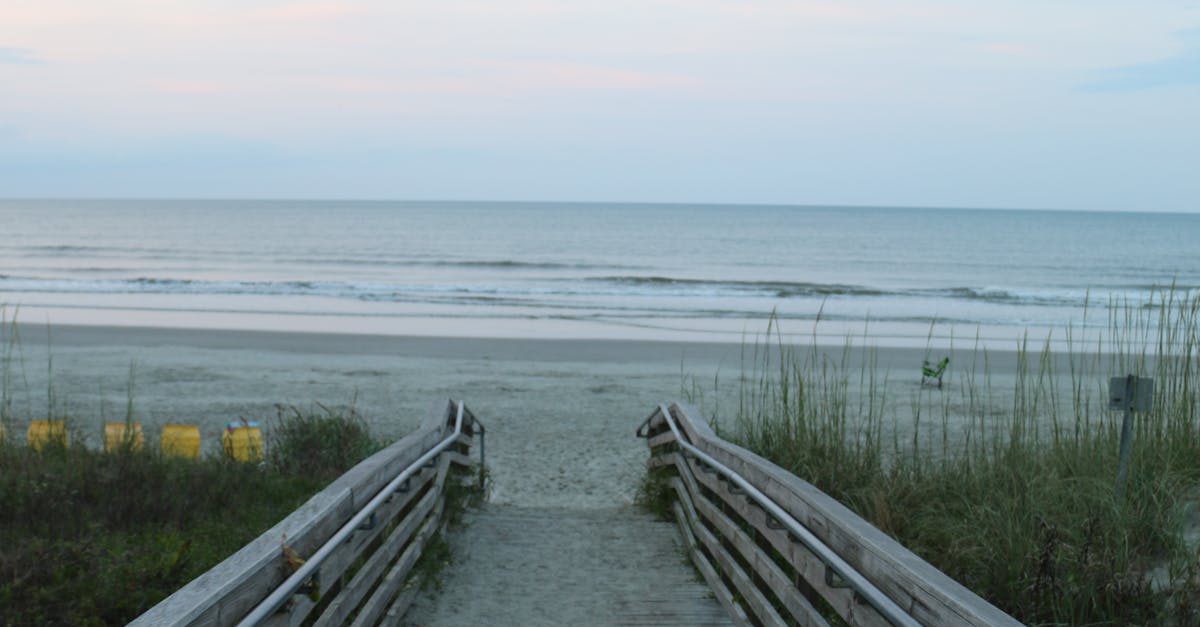
Duval and St. Johns counties are learning—quietly, but fast—that the way we travel can shape what shows up on the water quality report. And when those numbers improve, the beaches don’t just look better; they reopen sooner, with fewer lingering closures along the Atlantic coast.
If you’ve been driving toward St. Augustine Beach lately, you’ve probably noticed the difference: more folks on the sand, more families lingering at sunrise, and fewer “closed due to water quality” signs hanging around longer than they should. It’s not magic. It’s a shift—toward peaceful tourism—that’s influencing how agencies monitor water conditions and how communities respond when conditions change.
Key takeaway: When visitor behavior improves and local systems get better support, water quality trends often become less volatile, which can mean fewer or shorter beach closures.
What “Peaceful Tourism” Really Means on the Ground
“Peaceful tourism” sounds like a marketing phrase, but in coastal reality it’s practical: people behaving in ways that reduce the pressure on wastewater, stormwater runoff, and sensitive nearshore ecosystems.
On the North Florida coast, that often comes down to a handful of everyday choices that stack up:
- Responsible beach use (staying in designated areas, respecting posted guidance, not letting litter become runoff)
- Proper disposal of trash and waste (especially after events and during peak weekends)
- Reduced strain on local infrastructure (which helps keep stormwater and sewage systems working as intended)
- Support for local stewardship—from community cleanups to efforts that improve drainage and treatment capacity
When tourism feels calmer and more respectful, it tends to be less chaotic: fewer overflow issues during heavy surf-and-sun weekends, better compliance with closure guidance, and quicker reporting of problems that matter.
That last part is underrated. Many water quality events start with something small—like a localized runoff pattern after storms. When communities are engaged, those signals get acted on sooner.
How Water Quality Reports Work (and Why They Feel Personal)
Water quality reporting in Duval County and St. Johns County isn’t just a spreadsheet exercise—it’s a public safety tool. Closures are often triggered by elevated bacteria levels, commonly after rainfall events that can wash contaminants from land into waterways.
These reports typically track bacterial indicators and other measures that help estimate whether conditions are safe for swimming. The timing can feel abrupt—results come in after sampling, and closures follow when thresholds are exceeded.
For travelers, that means your beach day can hinge on something you didn’t cause: a thunderstorm inland, a wind shift that changes currents, or a period of heavy runoff. But the “peaceful tourism” angle is this: visitor patterns and community responses can influence how quickly conditions stabilize and how consistently beaches meet standards.
In other words, the report doesn’t only reflect nature—it also reflects how well we manage the human side of the coastline.
Why Beach Closures Cluster Around the Atlantic Coast Timing
On the Atlantic coast, closures can feel like they “move.” That’s because water quality is tied to dynamic factors:
- Rainfall and runoff (especially short, intense storms)
- Tide and current patterns
- Wind direction that can push contaminants toward popular swimming zones
- Seasonal shifts in both weather and visitation
So you might see a cluster of closures after a storm system rolls through—then a return to normal conditions once the system flushes and sampling confirms safety again.
What “peaceful tourism” changes is the aftermath. When visitors show up with a lower-impact mindset, there’s often less strain on local sanitation and stormwater-related pathways. And when locals and guests treat closure notices seriously (rather than arguing with them), agencies can maintain the pace of testing and reopening without delays caused by confusion or noncompliance.
That’s especially relevant for St. Augustine Beach, where tourism is steady and the walk-up crowds are part of what makes the area feel alive.
St. Augustine Beach: Where Calm Visitor Behavior Matters Most
St. Augustine Beach is one of those places where the vibe matters. It’s not just scenery—it’s rhythm: early walkers, swimmers checking conditions, families scouting tide times, and anglers who know the coastline isn’t a fixed stage.
Because it’s a high-visibility destination, it becomes a focal point for public trust. When water quality reports show improvement—or when closures end promptly—visitors feel it immediately. They also share what they learn: “The beach was closed yesterday, but it’s open now,” or “Check the latest posting before you go.”
Peaceful tourism strengthens that feedback loop. When people trust the system, they follow it. And when they follow it, the system works better.
Here’s what that trust looks like in practice:
- Guests check current postings instead of guessing
- Families adapt plans (public areas nearby, alternative access points, or coming back later)
- Visitors reduce trash and runoff risk, particularly during festivals and busy weekends
In effect, the coastline becomes a shared responsibility—not a gamble.
Key takeaway: Closure notices aren’t just restrictions—they’re part of a loop that keeps beaches usable long term when travelers cooperate.
The Best Sign of Progress: Fewer “Confusion Closures”
The most meaningful change isn’t always lower bacteria counts on a chart—though that matters. The more noticeable shift for travelers is often operational: fewer prolonged closures caused by confusion, less “wait-and-see” behavior, and more consistent follow-through with testing timelines.
Peaceful tourism supports that by encouraging:
- Cleaner, calmer beaches
- Better compliance with guidance
- Quicker local reporting and response
- A community culture that treats water quality as shared infrastructure
Duval and St. Johns counties have different neighborhoods and different pressures, but the coastal story rhymes: the beaches are resilient, and they respond to both weather and stewardship. When visitors bring more care—when the day feels less like a stampede and more like a respectful visit—the whole system tends to run smoother.
What You Can Do Before You Go (Simple, Practical)
If you’re planning a trip—whether you’re bouncing between Duval County beaches and the Atlantic side of St. Augustine or staying put for a long weekend—here are small steps that make a big difference:
- Check the latest water quality posting right before you leave.
- Heed closure boundaries, even if the water looks clear—thresholds don’t match visuals.
- Pack for cleanup (trash bags, wipes, and a “leave it better” mindset).
- After rain, expect changing conditions and be flexible.
- If you see posted issues, follow local guidance and report concerns through official channels.
Peaceful tourism doesn’t ask people to stop enjoying the coast. It asks us to enjoy it responsibly, so the water quality reports stay closer to what everyone wants: safe swimming, fewer closures, and more time spent on the sand—especially along St. Augustine Beach and the wider Atlantic shoreline of Duval and St. Johns counties.