Tourists love a good postcard moment—until you realize that the “picture-perfect” marsh scene is also a crowded nursery. In North Florida, during peak season, Roseate Spoonbill and Wood Stork nesting colonies sit right where visitors want to be: shallow wetlands, predictable viewing spots, and quiet edges of public and private water trails. That overlap is the real story—and it’s not cute.
North Florida’s nesting colonies aren’t empty scenery
A wood stork colony doesn’t look like much at first glance. There aren’t neon signs saying “Do not disturb the next generation.” What you see is a tangle of branches and a suspicious amount of bird activity. But those messy-looking nests hold a high-stakes routine: adults incubate, chicks beg, and the whole colony runs on calm, stable conditions.
Now add another classic South Florida-to-coastal-scapes bird: the roseate spoonbill. These birds aren’t just “pink”—they’re highly visible, often feeding in predictable flats and nesting near other waterbirds. Their colonies can be stunning from a distance, which is precisely why the crowd factor becomes so dangerous.
Here’s the uncomfortable truth for anyone who’s ever heard “they’re used to people”: colonies often do not tolerate repeated disturbance. Even if the birds don’t flush instantly, stress can ripple through the nesting cycle—less feeding efficiency, more time spent relocating, and a higher risk of nest abandonment.
“Disturbance isn’t just an event; it’s a pattern.”
Peak season tourism turns quiet marshes into high-noise neighborhoods
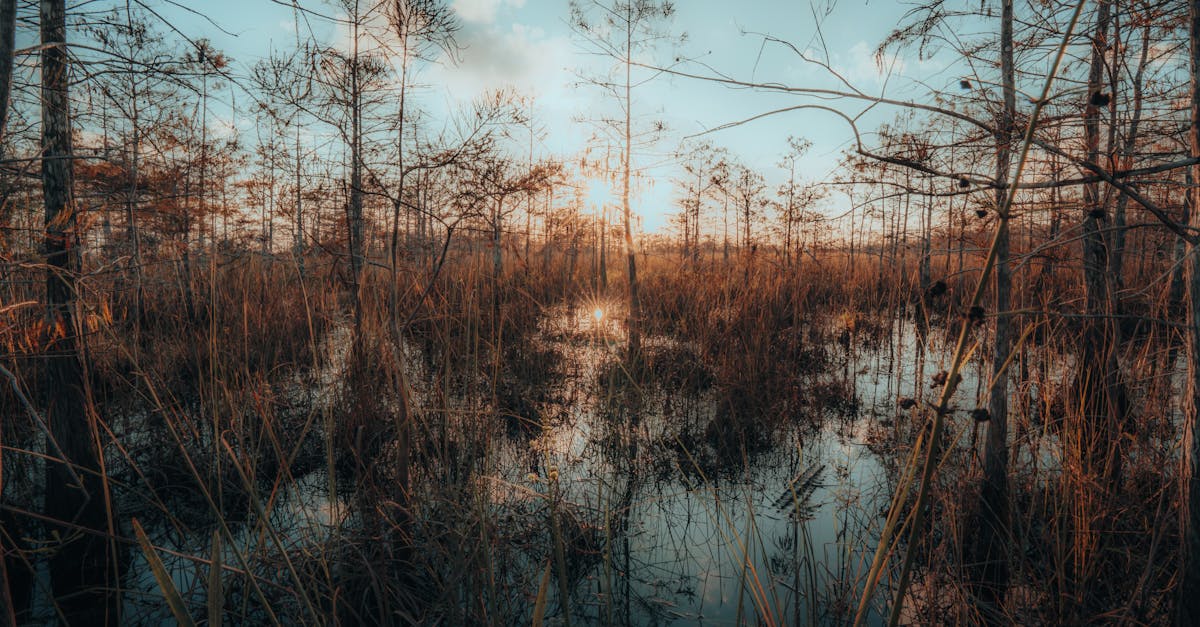
Let’s talk about what “tourism’s toll” looks like in real North Florida conditions. The region’s coastal and riverine systems—marshes, estuarine edges, floodplain wetlands—are already dynamic. Add weekend crowds, boat wakes, and sudden bursts of attention, and you’re changing the math for nesting birds.
Common stressors during peak months include:
- Boats and jet skis cutting too close to rookeries
- Uncoordinated wildlife viewing—people stopping, circling, and filming at the wrong time
- Trails and boardwalks where visitors gather at nest-adjacent vantage points
- Noise (engines, yelling, pop-up group tours) that makes it harder for adults to settle
- Human “help”—someone thinks they’re assisting a photographer or “checking” on a nest
To be clear: the birds aren’t fragile like a glass ornament. They’re built for Florida weather—storms, heat, and shifting water levels. But nesting colonies require something different: predictable calm during incubation and chick-rearing. Tourism often breaks that predictability.
The conservation tightrope: alligators, predators, and human behavior
North Florida conservation is rarely a simple “protect the birds” story. It’s a living ecosystem story, and it includes the species people love to fear: alligators.
Alligators shape these wetlands. They control fish and crustaceans at certain levels, they create microhabitats, and their presence influences how prey species behave. In many places, waterbirds have learned to nest in proximity to the kinds of predators that also concentrate around food-rich wetlands—including reptiles. That’s not because they’re “confident.” It’s because the system is complex, and the birds evolved within it.
Tourism complicates that balance. When humans invade a rookery zone, birds may react defensively—shifting, calling more, moving nests, or flushing into peripheral habitat. That can unintentionally alter the risk landscape, including the way other animals move through the same corridors.
And here’s the part people don’t always connect: disturbance can make predators and prey interactions less stable. If birds repeatedly flush or spend more time away from nests to regroup, chicks may be exposed longer. If adults delay feeding trips, prey availability doesn’t magically re-arrange itself.
Conservation in North Florida isn’t just about signage and distance—it’s about restoring behavioral stability to the ecosystem. That includes managing how people move through wildlife-rich areas during the exact weeks when nesting survival matters most.
Right whales and the same principle: disturbance travels farther than you think
You might be asking: why mention right whales in a story about spoonbills and storks?
Because the logic is universal. In marine environments, especially for critically endangered whales, disturbance and human activity create consequences that don’t stay local. Noise, vessel traffic, and proximity changes behavior—feeding, migration timing, and reproductive success. The “do not disturb” principle applies whether you’re talking about an ocean giant or a marsh-nesting bird.
North Florida might not be home to the same whale species in the same numbers, but the lesson carries: wildlife doesn’t measure disturbance in intent—it measures it in impact. A loud boat in a quiet

Article orchestrated by Mobstacker’s WP Auto Muse Pro.