A Bird That Never Quite Left the Story
The bald eagle never really disappeared from Duval or Nassau counties—it just stopped being seen as often, which is a very different thing. That distinction matters. Along the St. Johns River, around tidal marshes, pine flatwoods, lakes, and coastal creeks, eagles have long been part of the wildlife background in northeast Florida. Their presence says something bigger than “there’s a bird overhead.” It says the habitat still works.
Today, the return and steady visibility of bald eagles in this part of North Florida remain one of the best local signs that nature is hanging on, even as development, boat traffic, and changing coastlines put pressure on the region’s wildlife.
A healthy eagle population usually points to a healthy landscape — and in northeast Florida, that means water, fish, trees, and quiet enough space to raise young.
Why Duval and Nassau Matter
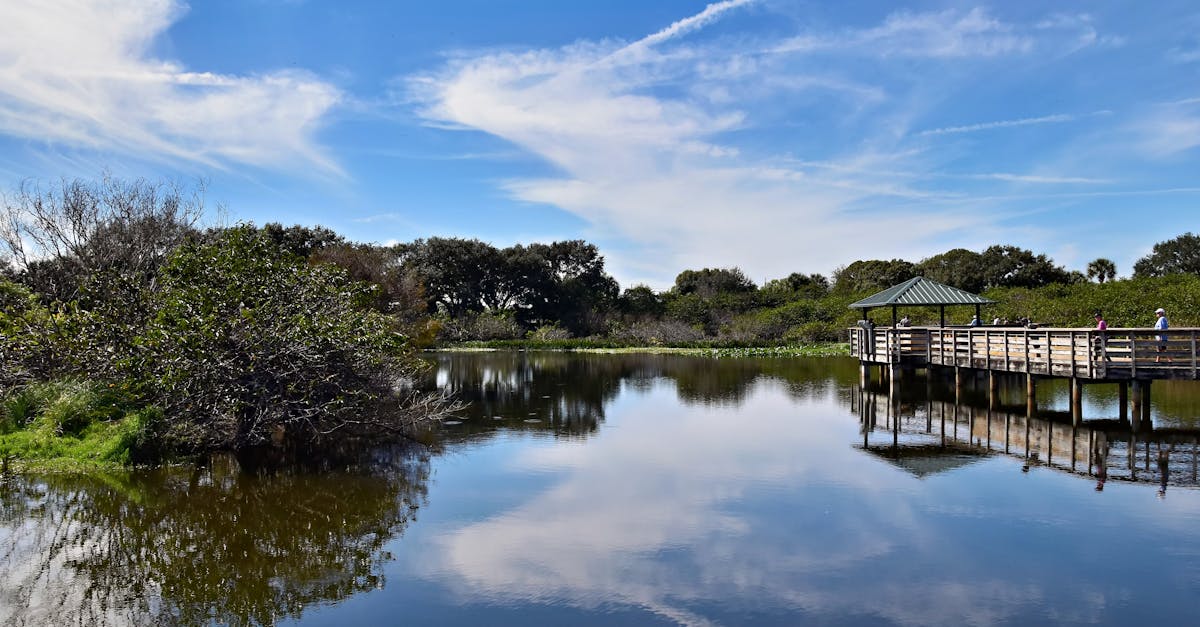
Duval and Nassau counties sit in a sweet spot for bald eagles. There’s enough open water for hunting, enough mature trees for nesting, and enough marsh and woodland edge habitat to support the kinds of prey eagles prefer. Fish are the big prize, of course, but these birds are opportunists. They’ll also take waterfowl, carrion, and the occasional small mammal when the chance comes along.
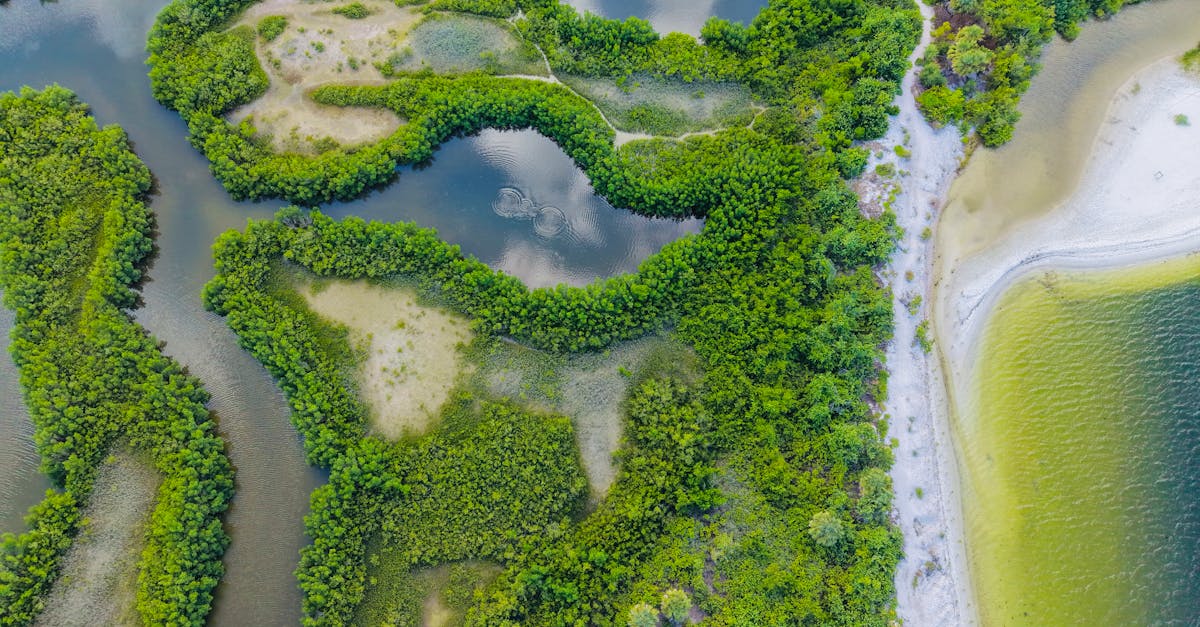
In Duval County, eagles can still be spotted around the river corridor, larger lakes, and brackish waterways. Nassau County offers a different kind of landscape—more room, more coastal buffer, and plenty of rural and wetland habitat where eagles can nest and feed with less disturbance in some areas.
That combination helps explain why eagle stories keep resurfacing here. Not every county has the mix of water, old-growth trees, and relatively intact habitat that bald eagles need. Duval and Nassau still do, at least in pockets.
From Recovery Story to Everyday Wildlife
It’s easy to forget how much of a conservation comeback the bald eagle represents. Once pushed to the edge by DDT, habitat loss, and direct persecution, eagles recovered because people changed course. That recovery is one of the great success stories in American wildlife management.
Here in North Florida, that broader recovery has a local face. People who grew up in the region often remember when seeing an eagle felt rare or even remarkable. Now, in some places, it’s less of a once-in-a-lifetime sighting and more of a “look up, there’s one” moment.
That’s good news, but it doesn’t mean the job is done. Eagles still depend on:
- Large, sturdy nesting trees
- Clean water and healthy fish populations
- Low disturbance near nests
- Protected wetlands and shoreline habitat
Lose enough of any one of those, and the story changes fast.
Eagles, Sea Turtles, and Manatees: Different Animals, Same Pressure
At first glance, bald eagles don’t seem to have much in common with sea turtles or manatees. One flies, one crawls ashore at night, and one drifts through warm coastal water like a slow-moving ghost. But in Duval and Nassau counties, they share something important: all three depend on a landscape that is still wild enough to function.
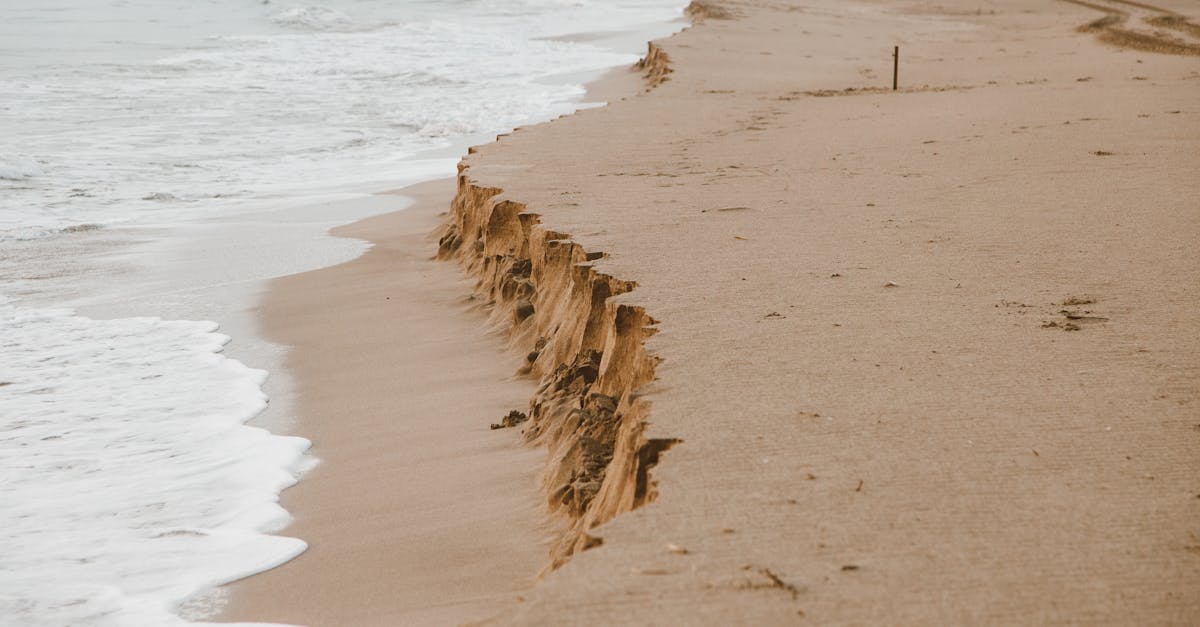
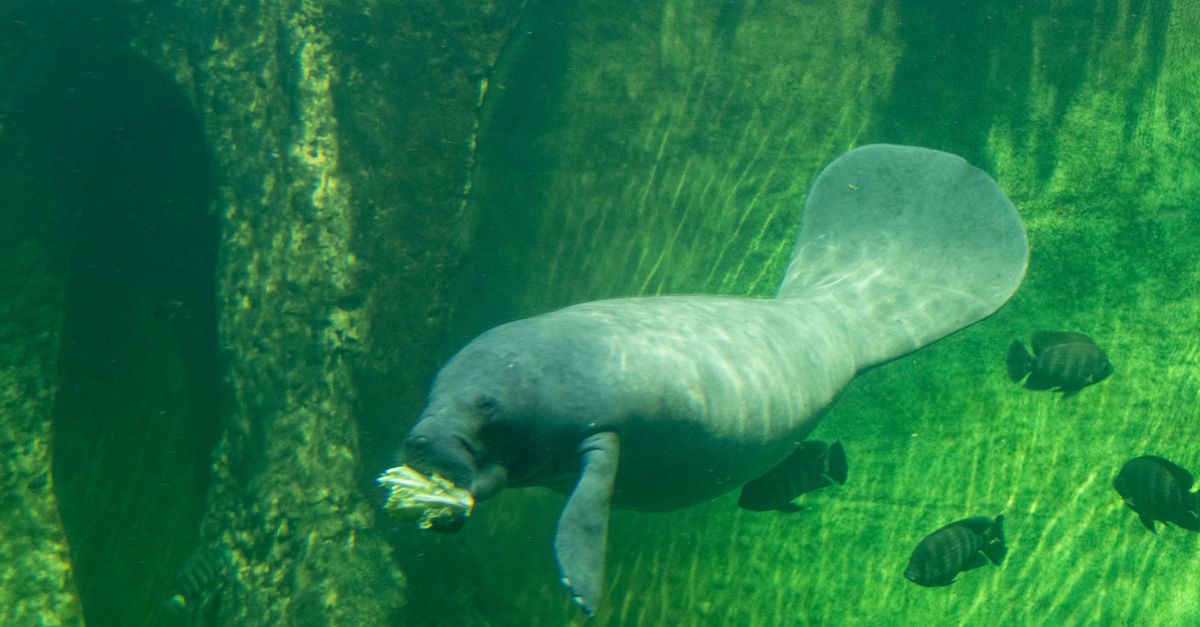
For sea turtles, that means nesting beaches, dark shorelines, and coastal waters with less light pollution and less disturbance. For manatees, it means healthy seagrass, warm-water refuges, and waterways with fewer boat strikes. For bald eagles, it means nesting habitat, food sources, and water systems that stay productive.
The overlap is the real lesson. When a county can support eagles, turtles, and manatees, it’s usually because there are still functioning wetlands, estuaries, marshes, and shoreline ecosystems in the mix. Those animals are not interchangeable, but they are connected by the same broad truth: wildlife needs room, and it needs balance.
Watching Without Crowding
One of the quiet strengths of eagle conservation is that regular people can help just by knowing how to watch responsibly. That matters around nesting areas, especially during the breeding season.
A few simple habits go a long way:
- Keep your distance from nesting trees and roost sites.
- Use binoculars or a zoom lens instead of moving closer.
- Avoid lingering below active nests, especially if adults are calling or agitated.
- Respect seasonal signs and protected areas along waterways and shorelines.
- Report injured wildlife to the proper authorities rather than trying to intervene yourself.
The same basic rule applies to turtles and manatees: admire, don’t interfere. A curious person on foot, a drone flown too low, or a boat moving too close can turn a safe habitat into a stressful one in a hurry.
What These Eagles Tell Us About the Future
Bald eagles are still a powerful symbol, but in Duval and Nassau counties they’re more than a symbol. They’re a living indicator. When eagles continue to nest and hunt here, it tells us there is still enough ecological function left in the landscape to support top predators. That’s not a small thing.
It also reminds us that local wildlife stories are connected. The same waterways that carry fish for eagles are part of the broader system that supports manatees. The same coastal habitats that shelter nesting birds and predator-prey relationships also shape the future for sea turtles. Everything is layered together.
And that’s why the old bald eagle story is still worth telling. These birds aren’t just survivors from a famous comeback. In Duval and Nassau counties, they’re still active participants in the region’s wildlife narrative—watching the marsh, circling the river, and reminding us that North Florida’s wild places still matter.

Article orchestrated by Mobstacker’s WP Auto Muse Pro.