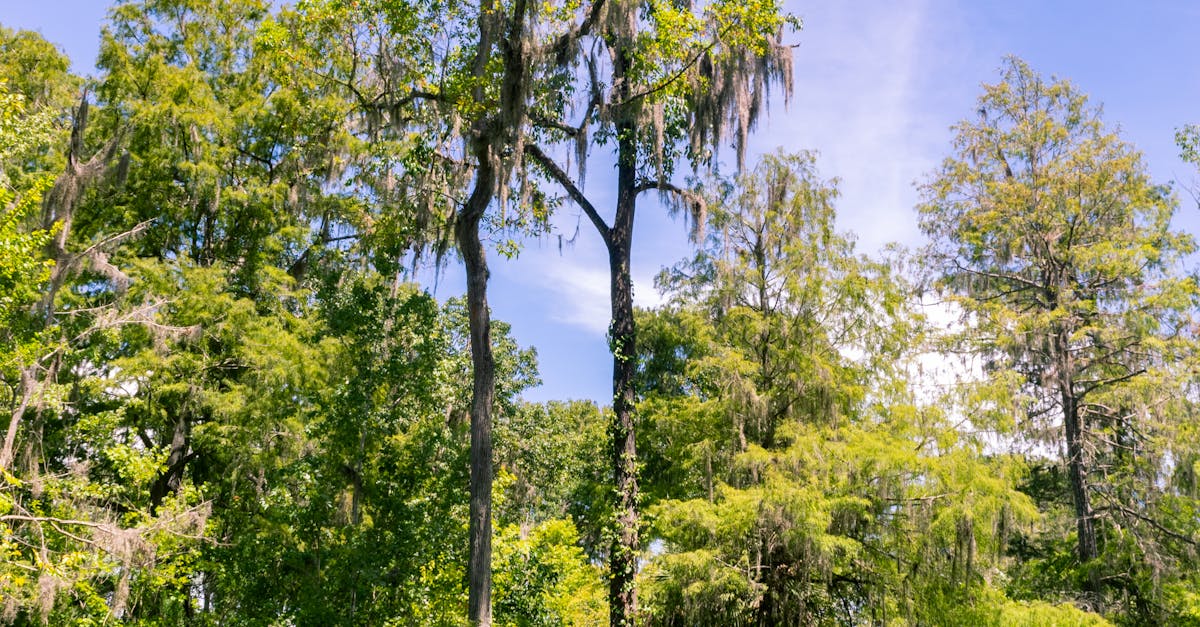
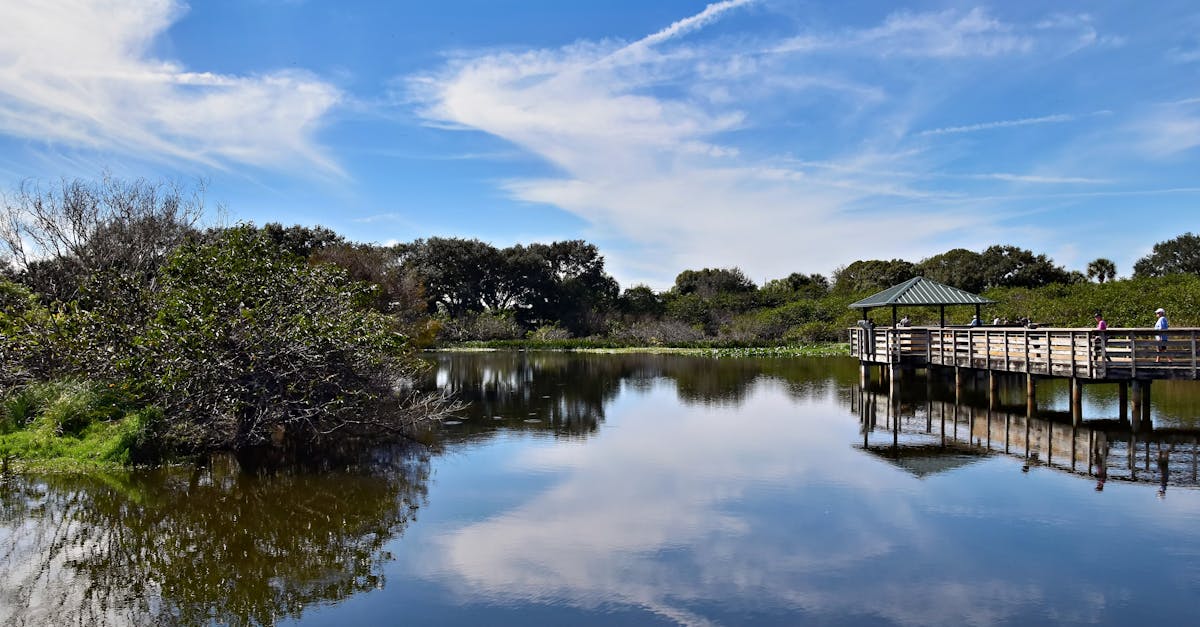
Ospreys, with their striking white heads and fearless fishing dives, have long been iconic residents of North Florida’s waterways. But lately, something’s shifting. A surge in tourism is changing the landscape—not just the physical environment but the very nature of osprey nesting along these beloved coasts and rivers.
The Rise of Tourism Along North Florida’s Waterways
North Florida’s natural beauty is a magnet for visitors year-round. Kayakers paddle crystal-clear rivers, families picnic under sprawling live oaks, and birdwatchers flock to see species like the osprey.
However, this influx brings increased foot traffic near nesting sites. Boats create wakes, loud conversations ripple across the water, and human presence peeks closer to the usually secluded perches ospreys favor. The delicate balance between nature and enjoyment is slipping, pushing osprey families to rethink where and how they nest.
Ospreys: Masters of Adaptation—or Struggling to Keep Up?
Ospreys are renowned for their adaptability. They build nests atop channel markers, telephone poles, even specially designed platforms installed by conservation groups. Yet, recent studies show that despite their resourcefulness, rising disturbance levels caused by tourism are impacting their nesting success,.
When stressed by noise and nearby activity, osprey parents sometimes abandon nests or fail to feed their chicks adequately. This can lead to decreased hatchling survival rates. In some areas, osprey pairs have shifted further upstream or to more secluded backwaters, seeking refuge from human activity.
What Osprey Nesting Tells Us About Wider Ecosystem Health
Ospreys serve as a vital barometer for the health of aquatic ecosystems. Their fish-based diet links them directly to water quality and fish populations. When osprey nesting falters, it can be a warning sign of broader environmental pressures, including pollution or overfishing.
North Florida’s waterways also host another high-profile species during the same season: the North Atlantic right whale. These majestic creatures migrate close to the coast, highlighting how interconnected this marine and brackish ecosystem is.
“Protecting the osprey doesn’t just save a bird, it preserves entire coastal ecologies—and supports wildlife tourism that depends on vibrant, visible nature.”
Balancing Tourism with Conservation: Steps Forward
Communities, conservationists, and tourism operators are increasingly collaborating to reduce human impact during osprey nesting season. Some effective approaches include:
- Educational signage near popular waterways explaining the importance of quiet and distance during nesting.
- Seasonal boating restrictions around known nesting platforms and critical habitat areas.
- Promotion of wildlife-friendly tourism that encourages observation without disruption.
By layering education with protective measures, North Florida can continue to welcome visitors while safeguarding osprey populations and the overall health of its waterways.
Why This Matters to Every Florida Visitor (and Resident)
Beyond just birds and whales, thriving osprey populations mean a balanced aquatic environment where fish species flourish and water quality remains high. For those who cherish North Florida for fishing, kayaking, or simply soaking up natural beauty, preserving osprey nesting success is essential.
As you explore the crystal-clear rivers or the brackish estuaries, remember the osprey perched silently above. Their survival weaves into the larger story of our waterways—telling us how well we respect and protect this unique corner of the world.
Visiting wisely means allowing these regal birds the space they need to raise their young, ensuring that future seasons bring the exhilarating sight of osprey wings slicing through the coastal breeze along North Florida’s waterways.

Article orchestrated by Mobstacker’s WP Auto Muse Pro.