Tiny Sand Construction Projects Are Back, and Apparently Nobody Filed the Paperwork
Every spring, North Florida beaches start looking like someone let a fleet of very determined, underpaid contractors loose after dark. One minute the shoreline is smooth and moonlit; the next, there are tiny sand mounds, a few tracks, and the unmistakable evidence that sea turtle nesting season has begun.
Yes, those “mystery dig sites” are nests. No, the turtles are not asking permission. And yes, the whole operation is one of the most important wildlife events on the coast.
Along the beaches of North Florida, from the Panhandle down through the Big Bend and beyond, loggerheads, greens, and the occasional leatherback crawl ashore to lay eggs in the warm sand. They’ve been doing this far longer than humans have been arguing about beach furniture placement, dune walkovers, and whether that one buried umbrella count as a hazard.
A beach with turtle nests is not a messy beach — it’s a functioning coastal ecosystem.
What Sea Turtles Are Actually Doing Out There
Sea turtles are not decorating the beach. They are nesting.
A female sea turtle comes ashore, usually at night, and uses her flippers to dig a body pit and then a nest chamber. She lays a clutch of eggs, covers them, and heads back to the water like a ghost with excellent navigation skills. Weeks later, the hatchlings emerge and make a break for the ocean, guided by instinct, moonlight, and the general bad luck of being three inches long.
North Florida beaches are crucial nesting habitat because the sand, temperature, and relative quiet can support reproduction. But “relative quiet” is doing a lot of work there. The coast is also busy with people, pets, lights, vehicles, and the occasional well-meaning beachgoer who thinks a nest marker is a suggestion.
Why the sand matters
The details are everything:
- Temperature helps determine hatch timing and, in many species, sex ratios.
- Sand texture affects whether a nest can be dug and stay intact.
- Beach lighting can disorient hatchlings.
- Human activity can crush nests or make females abandon nesting attempts.
So when locals see turtle tracks, the correct response is not “What is this little excavation?” It’s congratulations, the turtles have rented the beach and they did not ask the HOA for approval.
North Florida’s Coast: Good for Turtles, Bad for Complacency
North Florida has a lot going for it in turtle terms. Longer stretches of less-developed shoreline, conservation-minded land management in some areas, and active monitoring programs all help. But there’s no shortage of pressure either.
Beachfront development, artificial lighting, erosion, storm damage, and heavy recreational use all complicate nesting success. Even when beaches look pristine, they may be hiding hazards. A nest too close to the surf can flood. A nest too close to a dune can be washed out by a storm surge. A nest too close to people can be trampled by someone who was “just out for a quick sunset walk.”
Local conservation groups, volunteers, and wildlife staff spend nesting season tracking nests, marking them, and educating the public. That’s not because the turtles are fragile in the dramatic sense. It’s because their survival depends on habitat protection and a little human restraint, which frankly seems to be the harder species to manage.
The Alligator Connection Nobody Asked For, But Nature Insists On
Now to the part that always gets a raised eyebrow: alligators.
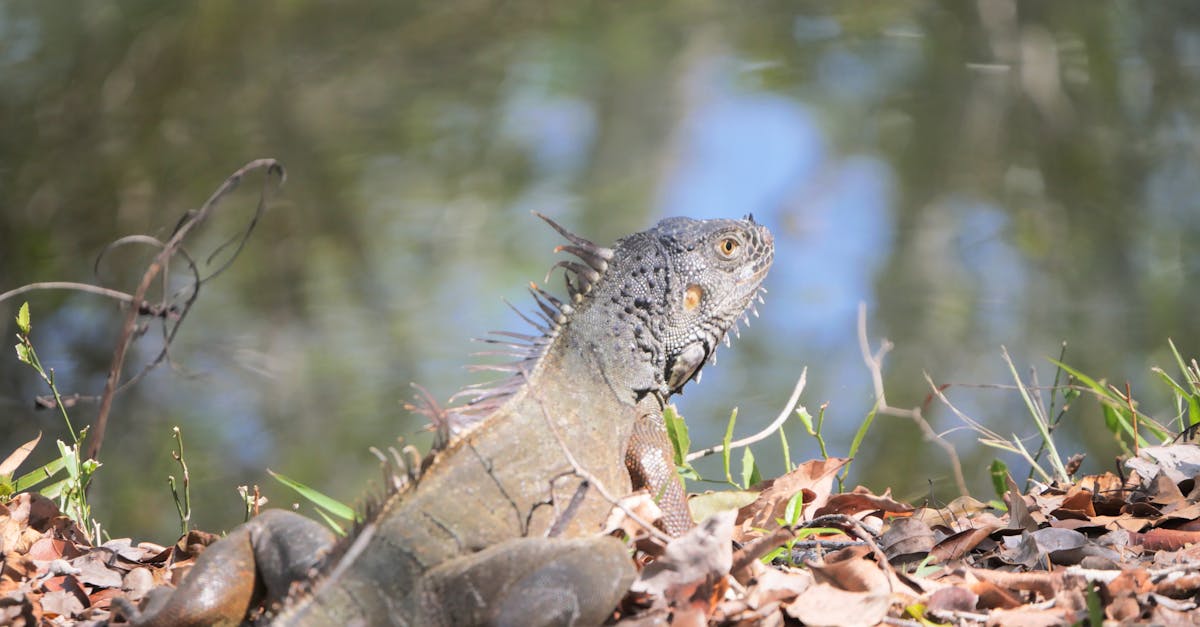
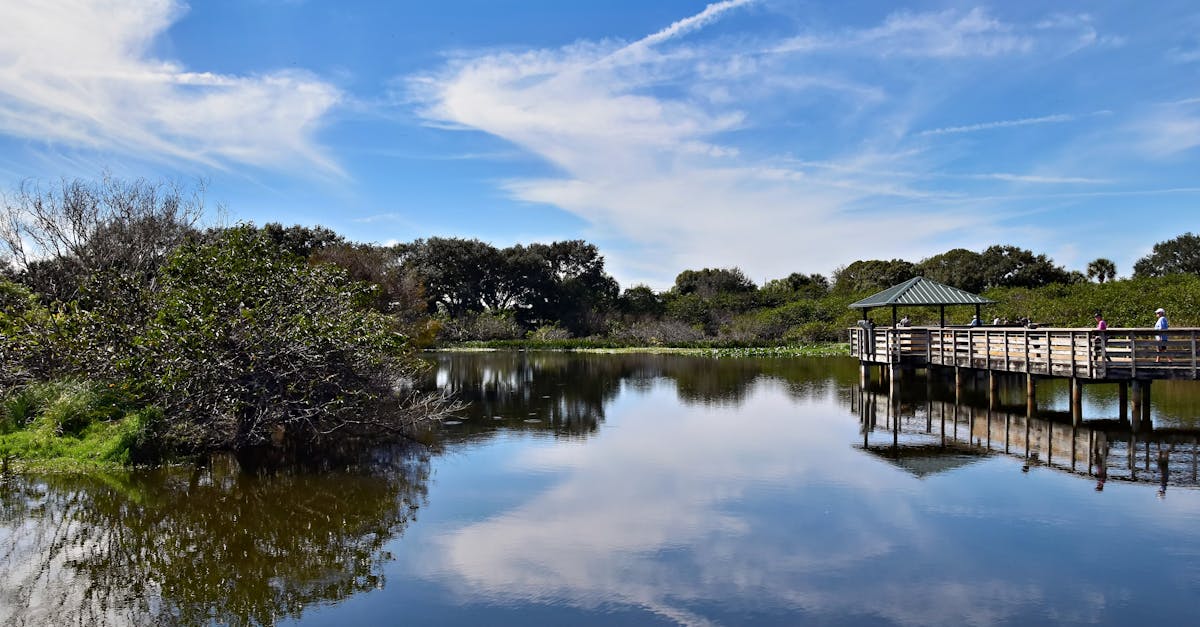
No, sea turtles and alligators are not beachside roommates in some weird coastal sitcom. But in North Florida, where freshwater, marshes, estuaries, and tidal systems overlap, alligators are part of the broader wildlife picture. They live in nearby wetlands, marsh edges, ponds, and creeks, and sometimes their presence is relevant to nesting ecology.
For one thing, predation is part of the equation. Eggs and hatchlings face threats from raccoons, ghost crabs, birds, dogs, and yes, occasionally other predators moving through connected coastal systems. Alligators aren’t the main threat on open beaches, but they’re part of the same wild landscape that makes North Florida so biologically rich and, for planners, so inconvenient.
There’s also a bigger lesson here: conservation doesn’t happen in isolated boxes.
- Protecting sea turtles means protecting the beach.
- Protecting the beach means protecting dunes and nearshore waters.
- Protecting those systems means recognizing that wetlands and estuaries support everything from alligators to fish nurseries to shorebirds.
In other words, you don’t get a healthy coast by saving only the cute parts.
Sea turtle conservation works best when the whole coastal system is treated as wildlife habitat, not just scenery.
How to Avoid Becoming “That Person” on a Nesting Beach
Sea turtle season is not difficult to respect. It mostly requires doing less, which is a very achievable conservation strategy.
A few basic rules:
- Keep distance from marked nests.
- Turn off or shield beach lights where possible.
- Fill in holes before leaving the beach.
- Take trash with you; litter can trap hatchlings and attract predators.
- Leave pets at home or leashed and away from nesting areas.
- Do not disturb nesting turtles or hatchlings.
And if you see a female nesting turtle, admire from afar. Do not shine lights on her, do not block her path, and do not narrate her behavior like she’s on a nature documentary set you personally financed.
The same goes for hatchlings. If you see them emerge, the best thing you can do is give them space and call local wildlife authorities or a permitted conservation group if guidance is needed. Interfering out of enthusiasm is still interference.
The Real Joke Is That the Turtles Know More Than We Do
Every nesting season delivers the same punchline: the sea turtles have been doing this perfectly well without human management for millions of years, and yet it’s the people with the city codes, beach ordinances, and solar path lights who keep causing trouble.
North Florida’s beaches are not just vacation real estate. They are working habitat. They are nursery grounds. They are migration corridors. They are nesting sites for species that depend on the coast being wild enough to function.
So if you spot those neat little sand construction projects this season, don’t call the county in a panic. Call it what it is: proof that wildlife is still doing its ancient, sand-covered business along the North Florida coast.
And if you happen to see a gator in the broader wetland system nearby, take that as a reminder that the region is not a theme park. It’s a living landscape, stitched together by marshes, beaches, rivers, and the species that use them.
Which is exactly why conservation matters.